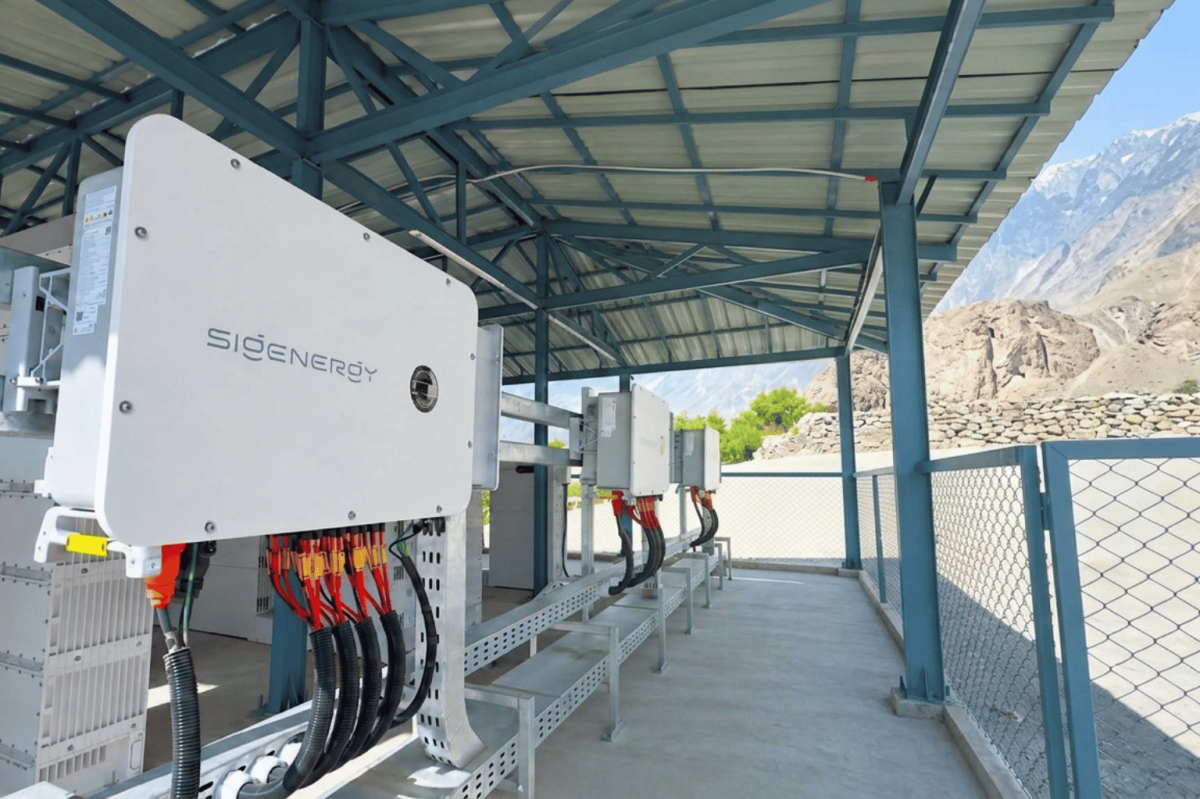

Penta Prime Partners with StoreX Renewables for Sigenergy BESS Solutions
October 26, 2026
What Is a Battery Energy Storage System (BESS) and How Does It Work?
November 1, 2026Electricity is one of the major operating expenses for many businesses in Sri Lanka. From manufacturing plants and hotels to warehouses, supermarkets and office buildings, rising energy requirements can significantly affect operational costs and profitability.
As businesses look for more efficient and sustainable ways to manage electricity consumption, commercial solar energy has become an increasingly important consideration.
A properly designed commercial solar PV system can help businesses generate their own electricity, reduce dependence on grid electricity and improve long-term energy cost management.
However, investing in commercial solar involves more than simply installing solar panels on a rooftop. Businesses need to consider electricity consumption patterns, available roof space, system capacity, energy tariffs, technical feasibility, return on investment and future energy requirements.
In this guide, we explore everything businesses should know about commercial solar in Sri Lanka, including how commercial solar systems work, their benefits, installation considerations and how to select the right energy partner.
1. What Is Commercial Solar Energy?
Commercial solar energy refers to the generation of electricity using solar photovoltaic (PV) systems installed at business premises.
These systems use solar panels to convert sunlight into electrical energy, which can then be used to operate equipment, lighting, air conditioning, machinery and other electrical appliances.
Commercial solar installations are generally designed for businesses with higher electricity consumption than typical residential properties.
Common applications include:
- Manufacturing plants and industrial facilities.
- Hotels and hospitality businesses.
- Warehouses and distribution centres.
- Shopping malls and supermarkets.
- Office buildings and corporate facilities.
- Hospitals and healthcare institutions.
- Educational institutions.
- Garment factories and tea factories.
Unlike residential solar systems, commercial solar PV projects often require more detailed engineering assessments because of their larger capacities, complex electrical infrastructure and varying electricity consumption patterns.
The objective is not simply to install the largest possible solar system. It is to develop a system that aligns with the business’s actual energy requirements and financial objectives.
2. How Does a Commercial Solar PV System Work?
A commercial solar PV system generates electricity by converting sunlight into usable electrical energy through photovoltaic panels.
The generated electricity can be used directly by the business, exported to the electricity grid under an applicable arrangement, or stored in batteries when the system is designed to include energy storage.
A typical commercial solar PV system consists of:
Solar panels: Capture sunlight and convert it into direct current (DC) electricity.
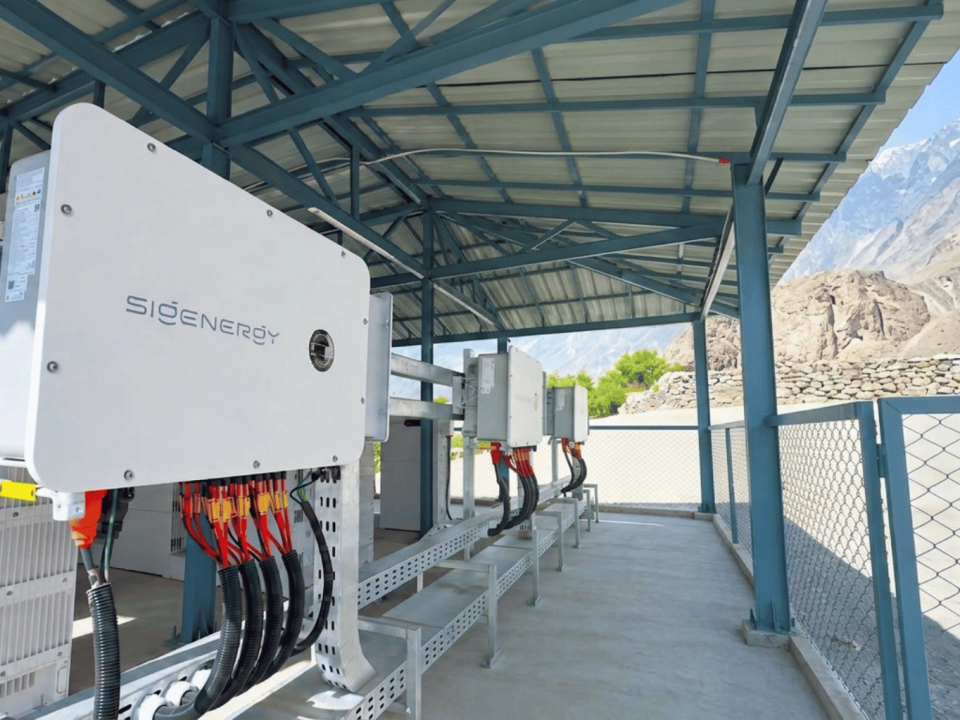
Solar inverters: Convert DC electricity into alternating current (AC) electricity suitable for business operations.
Mounting structures: Secure solar panels to rooftops or other suitable installation areas.
Electrical protection systems: Help protect the installation against electrical faults and other operating risks.
Monitoring systems: Track solar generation, system performance and operational efficiency.
Battery Energy Storage Systems (optional): Store electricity for later use and support specific energy management requirements.
The system design depends on the building’s electrical infrastructure, available installation space, energy consumption profile and the selected grid connection arrangement.
For businesses considering solar energy in Sri Lanka, a professional technical assessment is essential before determining the appropriate system configuration.
3. Why Should Businesses Invest in Commercial Solar in Sri Lanka?
Commercial solar energy offers several potential benefits for businesses, particularly those with substantial daytime electricity consumption.
Reduce electricity expenses
One of the main reasons businesses consider commercial solar is the opportunity to reduce electricity purchased from the national grid.
When a solar PV system generates electricity during business operating hours, the generated power can be used directly within the premises. This can reduce the amount of electricity that needs to be purchased from the utility.
The financial benefit depends on the system’s generation capacity, electricity consumption patterns, applicable electricity tariffs and the proportion of solar energy consumed on-site.
Improve long-term energy cost management
Electricity expenses can have a significant impact on business operating budgets.
A properly designed solar PV system can help businesses manage part of their electricity requirements through on-site generation.
This can support more predictable long-term energy planning, although actual savings depend on system performance, maintenance costs and applicable tariff arrangements.
Support environmental sustainability
Solar energy generates electricity without direct fuel combustion during operation.
Businesses adopting renewable energy can potentially reduce their dependence on fossil-fuel-based electricity generation and support their sustainability objectives.
This can be particularly valuable for:
- Export-oriented manufacturers.
- Businesses working with international supply chains.
- Companies with environmental, social and governance (ESG) commitments.
- Organisations pursuing green manufacturing initiatives.
- Businesses seeking to monitor and reduce their carbon footprint.
Make better use of available rooftop space
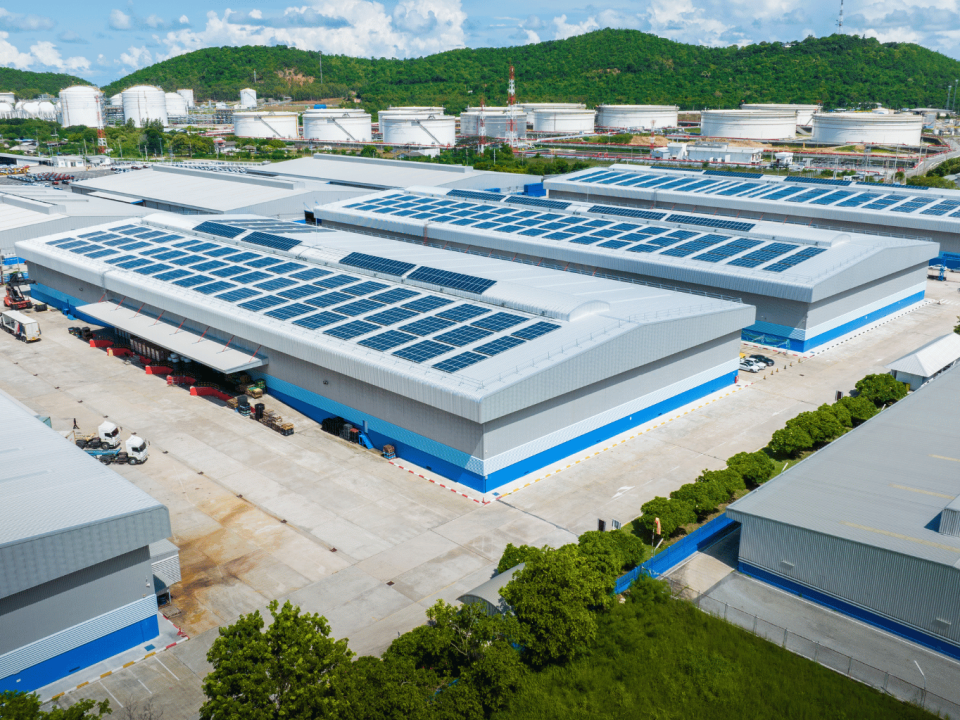
Large commercial buildings, factories, hotels and warehouses often have substantial rooftop areas that can be evaluated for solar PV installations.
With appropriate structural assessments and engineering design, these spaces can potentially become productive energy-generating assets.
Strengthen energy management strategies
Commercial solar can also be integrated with smart energy metering, energy monitoring platforms and Battery Energy Storage Systems (BESS).
This allows businesses to take a more comprehensive approach to understanding, monitoring and managing their energy consumption.
4. Which Businesses Can Benefit from Commercial Solar?
Commercial solar solutions can be designed for various business sectors. However, the suitability and financial benefits will differ depending on each facility’s energy requirements.
Some common applications include:
Manufacturing plants and factories
Factories often operate energy-intensive machinery, production equipment, ventilation systems and industrial cooling systems. Solar PV can contribute towards meeting part of their electricity demand.
Hotels and hospitality businesses
Hotels consume electricity through air conditioning, lighting, kitchens, laundry facilities, water heating and other operational equipment. Commercial solar can help support their energy requirements.
Warehouses and distribution centres
Large warehouse rooftops may provide suitable installation areas for commercial solar panels, subject to structural, shading and electrical assessments.
Shopping malls and supermarkets
These facilities often have significant electricity requirements for refrigeration, lighting, air conditioning and other building services.
Office buildings
Solar PV systems can contribute to daytime electricity consumption from lighting, computers, elevators, air conditioning and other office equipment.
Hospitals and healthcare facilities
Healthcare facilities require reliable electricity for critical equipment, lighting, ventilation and other essential operations. Solar PV combined with appropriately designed battery storage can form part of a broader energy resilience strategy.
Garment and tea factories
Manufacturing operations in these sectors may benefit from evaluating solar generation alongside their production schedules and electricity consumption profiles.
The most suitable solution should always be determined through a detailed technical and financial assessment rather than relying solely on the industry or available rooftop area.
5. How to Determine the Right Commercial Solar System Size
Selecting the correct solar PV system capacity is one of the most important stages of a commercial solar project.
Installing an oversized system does not automatically produce the best financial outcome. Similarly, an undersized system may fail to deliver the expected energy contribution.
The system should be designed around the business’s actual electricity consumption and operational requirements.
Important factors include:
Electricity consumption: Review historical electricity bills to understand monthly and annual energy usage.
Daytime consumption: Identify how much electricity the business consumes during solar generation hours.
Available rooftop space: Assess the usable roof area, orientation, shading and structural suitability.
Electrical infrastructure: Evaluate the existing electrical distribution system, transformers, switchgear and connection capacity.
Future energy requirements: Consider planned machinery, production expansion, additional facilities and increased electricity consumption.
Grid connection requirements: Assess the applicable utility requirements and technical limitations.
Financial objectives: Determine whether the main objective is reducing electricity expenses, generating export revenue, improving energy resilience or achieving a combination of these goals.
For example, a factory operating primarily during daylight hours may be able to consume a substantial proportion of its solar generation directly.
However, a facility with significant electricity consumption at night may need a different approach, potentially incorporating battery storage.
6. Understanding Rooftop Solar Regulations in Sri Lanka
Businesses considering rooftop solar installation in Sri Lanka should understand the applicable regulatory requirements and grid connection arrangements.
The Public Utilities Commission of Sri Lanka (PUCSL) and relevant electricity distribution utilities provide the regulatory framework and guidelines governing rooftop solar PV installations.
Commonly discussed rooftop solar connection arrangements include:
Net Metering: Historically, this arrangement allowed electricity exported to the grid to be credited against electricity imported from the grid, subject to applicable conditions.
Net Accounting: Historically, this arrangement allowed eligible solar producers to receive payments for excess electricity exported to the grid.
Net Plus: Electricity generated by the solar installation is measured separately and exported to the grid, while the consumer continues to pay for electricity consumed under the applicable end-user tariff.
Net Plus Plus: This arrangement provides a mechanism for certain rooftop solar installations to generate and export electricity beyond the customer’s contract demand, subject to the relevant requirements.
These arrangements have different technical, contractual and financial implications. PUCSL+1
Important regulatory update – 2026
Sri Lanka’s rooftop solar regulations and commercial arrangements have been changing.
A September 2026 report stated that Net Metering and Net Accounting were discontinued for new rooftop solar connections and extensions covered by a Ministry of Energy directive, with new agreements operating under Net Plus. The reported effective date relates to grid clearances granted after 11 September 2026. Existing agreements were reported to retain their existing terms. The Morning
Businesses planning a new installation should therefore verify the latest applicable scheme, feed-in tariff, grid clearance requirements and contractual conditions directly with the relevant utility and regulatory authorities before making an investment decision.
PUCSL also lists 2026 guidelines covering the interconnection and operation of rooftop solar PV and Battery Energy Storage Systems. These include requirements relevant to system planning, installation and operation. PUCSL+1
For businesses, understanding these requirements before purchasing equipment or committing to a solar installation is essential.
7. What Is the Cost of Commercial Solar Installation in Sri Lanka?
The cost of a commercial solar installation depends on several technical and project-specific factors.
There is no single price that applies to every commercial solar PV system.
The main factors influencing project costs include:
- Total solar PV system capacity.
- Type, efficiency and specifications of solar panels.
- Inverter technology and capacity.
- Mounting structures and rooftop conditions.
- Electrical infrastructure modifications.
- Cable routing and protection equipment.
- Grid connection and compliance requirements.
- Monitoring and energy management systems.
- Battery storage requirements, if applicable.
- Engineering, installation and commissioning requirements.
For example, a rooftop solar installation for a small commercial office may have considerably different requirements from a large industrial solar project serving a manufacturing facility.
Businesses should evaluate the complete project cost rather than comparing quotations based only on the price per installed kilowatt.
A comprehensive commercial solar quotation should clearly explain equipment specifications, system design, installation scope, warranties, performance assumptions and ongoing maintenance requirements.
8. Can Businesses Combine Solar PV with Battery Energy Storage Systems?
Yes. Commercial solar PV systems can be integrated with Battery Energy Storage Systems (BESS) to support more advanced energy management strategies.
A BESS stores electrical energy in rechargeable batteries and makes it available for use when required.
When integrated with solar PV, battery storage can provide several potential benefits.
Store excess solar energy
If a solar PV system generates more electricity than the business immediately consumes, a suitably designed battery system can store some of that energy for later use, subject to system configuration and operating limits.
Support operations during grid interruptions
A battery system with suitable backup functionality can supply selected electrical loads during grid outages.
However, not every grid-connected solar system automatically provides backup power. The inverter, battery, protection equipment and electrical configuration must be designed to support this function.
Support peak shaving strategies
Peak shaving involves reducing electricity demand from the grid during selected high-demand periods.
A battery energy storage system can discharge stored electricity when the business’s demand increases, potentially helping manage demand-related electricity expenses where the applicable tariff structure makes this beneficial.
Improve energy flexibility
Combining solar PV, batteries and intelligent energy management systems can give businesses greater flexibility in managing when electricity is generated, stored and consumed.
Consider Sigenergy BESS Solutions
Penta Prime (Pvt) Ltd is the Official Installer for Sigenergy BESS Solutions in Sri Lanka.
Sigenergy technology provides an additional option for businesses exploring integrated solar and battery energy storage solutions.
For organisations considering commercial battery storage, the appropriate system should be selected based on energy consumption, load requirements, backup priorities, operating schedules and financial feasibility.
A technical assessment is recommended before selecting the battery capacity and system configuration.
9. How to Choose the Right Commercial Solar Company in Sri Lanka
Choosing a commercial solar company is an important decision because system design, equipment selection and installation quality can influence long-term performance.
Businesses should consider the following factors before selecting a solar service provider.
1. Technical expertise and engineering capabilities
Look for a provider with the technical knowledge to assess commercial electrical infrastructure, design appropriate solar PV systems and evaluate project feasibility.
2. Experience with commercial and industrial projects
Commercial installations often involve more complex requirements than residential solar projects. Relevant project experience is valuable.
3. Quality of equipment
Evaluate the specifications, certifications, warranties and manufacturer support associated with solar panels, inverters, batteries and other components.
4. System design and technical documentation
A professional proposal should include system sizing, technical specifications, generation estimates, electrical design considerations and project scope.
5. Regulatory compliance
Check whether the relevant service provider registrations, utility approvals, engineering declarations and applicable standards are addressed.
The Sri Lanka Sustainable Energy Authority provides information about registered rooftop solar service providers and related installation requirements. Sri Lanka Sustainable Energy Authority+1
6. After-sales support and maintenance
Solar PV systems require ongoing monitoring, inspection and maintenance to help maintain performance over their operating life.
7. Financial feasibility assessment
A reliable provider should help businesses understand the assumptions behind projected energy savings, investment costs and expected financial returns.
Businesses should avoid selecting a commercial solar company based solely on the lowest quotation.
10. Why Is an Energy Feasibility Assessment Important Before Installing Solar?
Before investing in a commercial solar PV system, businesses should understand whether the proposed project is technically and financially suitable.
A techno-economic feasibility assessment helps evaluate the relationship between the proposed solar installation, electricity consumption, system performance and financial objectives.
A typical assessment may include:
- Reviewing historical electricity consumption.
- Analysing load profiles and operating schedules.
- Assessing available rooftop space.
- Evaluating solar generation potential.
- Reviewing existing electrical infrastructure.
- Identifying appropriate solar PV system configurations.
- Assessing battery storage integration where relevant.
- Reviewing applicable grid connection requirements.
- Estimating project costs and financial returns.
- Identifying technical and operational risks.
This process helps businesses make informed investment decisions before committing to a major energy project.
For larger commercial and industrial projects, independent technical advisory services can also support investors, developers and asset owners during project evaluation, procurement and implementation.
11. The Role of Independent Energy Consultancy in Commercial Solar Projects
Commercial solar projects involve more than selecting equipment and arranging installation. They require careful technical planning, financial evaluation and coordination throughout the project lifecycle.
Independent energy consultancy can help businesses, investors, developers and asset owners make informed decisions about energy investments.
Key consultancy services may include:
Techno-economic feasibility studies: Evaluate whether a proposed solar or battery storage project is technically and financially viable.
Technical due diligence: Assess the technical specifications, design assumptions, equipment and potential risks associated with an energy project.
Solar PV system optimisation: Identify opportunities to improve system performance and align energy generation with consumption requirements.
Energy audits: Examine energy consumption and identify opportunities to improve efficiency.
Energy management consultancy: Support businesses in developing structured energy management strategies.
ISO 50001:2018 consultancy: Help organisations establish and improve energy management systems in line with the ISO 50001 energy management standard.
Project advisory services: Provide technical and strategic guidance throughout energy project planning, development and implementation.
For businesses planning significant commercial solar investments, independent technical advice can help reduce uncertainty and improve the quality of investment decisions.
12. Why Choose Penta Prime for Commercial Energy Consultancy in Sri Lanka?
Penta Prime (Pvt) Ltd is a specialised energy consultancy providing independent technical and strategic advisory services in renewable energy, Solar PV, Battery Energy Storage Systems (BESS) and Energy Management Systems.
We support businesses, investors, developers and asset owners in evaluating, developing and optimising energy solutions aligned with their technical and commercial requirements.
Our areas of expertise include:
- Solar PV technical and strategic advisory.
- Commercial and industrial solar project feasibility.
- Battery Energy Storage Systems (BESS).
- Official installation of Sigenergy BESS Solutions in Sri Lanka.
- Techno-economic feasibility assessments.
- Technical due diligence.
- Solar PV system optimisation.
- Energy audits.
- ISO 50001:2018 consultancy.
- Energy management systems.
- Renewable energy project advisory.
Our approach focuses on understanding each client’s energy requirements and identifying appropriate technical and strategic solutions.
Whether your organisation is considering a commercial rooftop solar installation, industrial solar project, battery energy storage system or a comprehensive energy management strategy, professional technical guidance can help you make better investment decisions.
Looking to explore commercial solar solutions in Sri Lanka?
Contact Penta Prime to discuss your business’s energy requirements and explore suitable solar PV, battery storage and energy management opportunities.
13. Frequently Asked Questions About Commercial Solar in Sri Lanka
1. Is commercial solar worth the investment in Sri Lanka?
Commercial solar can be a worthwhile investment for businesses with suitable rooftops and electricity consumption patterns. However, the financial benefits depend on system costs, electricity tariffs, solar generation, self-consumption and applicable grid connection arrangements.
2. How much does a commercial solar system cost in Sri Lanka?
The cost depends on system capacity, solar panel and inverter specifications, rooftop conditions, electrical infrastructure and installation requirements. A technical assessment and project quotation are necessary to determine the actual investment.
3. Can factories install rooftop solar systems in Sri Lanka?
Yes. Factories can install rooftop solar PV systems, subject to structural suitability, electrical infrastructure, applicable regulatory requirements and utility approval.
4. Can commercial solar systems work during power failures?
A conventional grid-connected solar inverter generally disconnects during a grid outage for safety reasons. A suitably designed hybrid inverter and battery storage system can provide backup electricity to selected loads when the system has the necessary backup functionality.
5. What is the difference between commercial solar and industrial solar?
Commercial solar generally refers to installations for businesses such as offices, hotels, shopping malls and supermarkets. Industrial solar refers to systems designed for manufacturing plants, factories and other industrial facilities. Both require project-specific engineering and system design.
6. Can a business combine solar panels with battery storage?
Yes. Solar PV systems can be integrated with Battery Energy Storage Systems to store electricity, support selected backup loads and manage energy consumption. The system configuration should be based on the business’s operational requirements.
7. How long do commercial solar panels last?
Solar panels are generally designed to operate for several decades. Their actual performance depends on product quality, environmental conditions, installation standards and maintenance. Businesses should review the manufacturer’s product and performance warranties before purchasing.
8. What is the difference between Net Metering and Net Plus in Sri Lanka?
Historically, Net Metering credited eligible exported electricity against imported electricity, while Net Plus separately measured electricity generation and consumption, with payment for exported electricity under the applicable agreement. New rooftop solar connection arrangements have been subject to regulatory changes in 2026, so businesses should verify the current scheme with the relevant utility.
9. What is BESS in commercial solar systems?
BESS stands for Battery Energy Storage System. It stores electrical energy for later use and can support solar integration, backup power and peak shaving, depending on its design and operating configuration.
10. Why should a business conduct a solar feasibility study?
A solar feasibility study evaluates electricity consumption, available installation space, technical requirements, estimated generation, project costs and potential financial returns. It helps businesses determine whether a proposed solar project is suitable before investing.
Conclusion
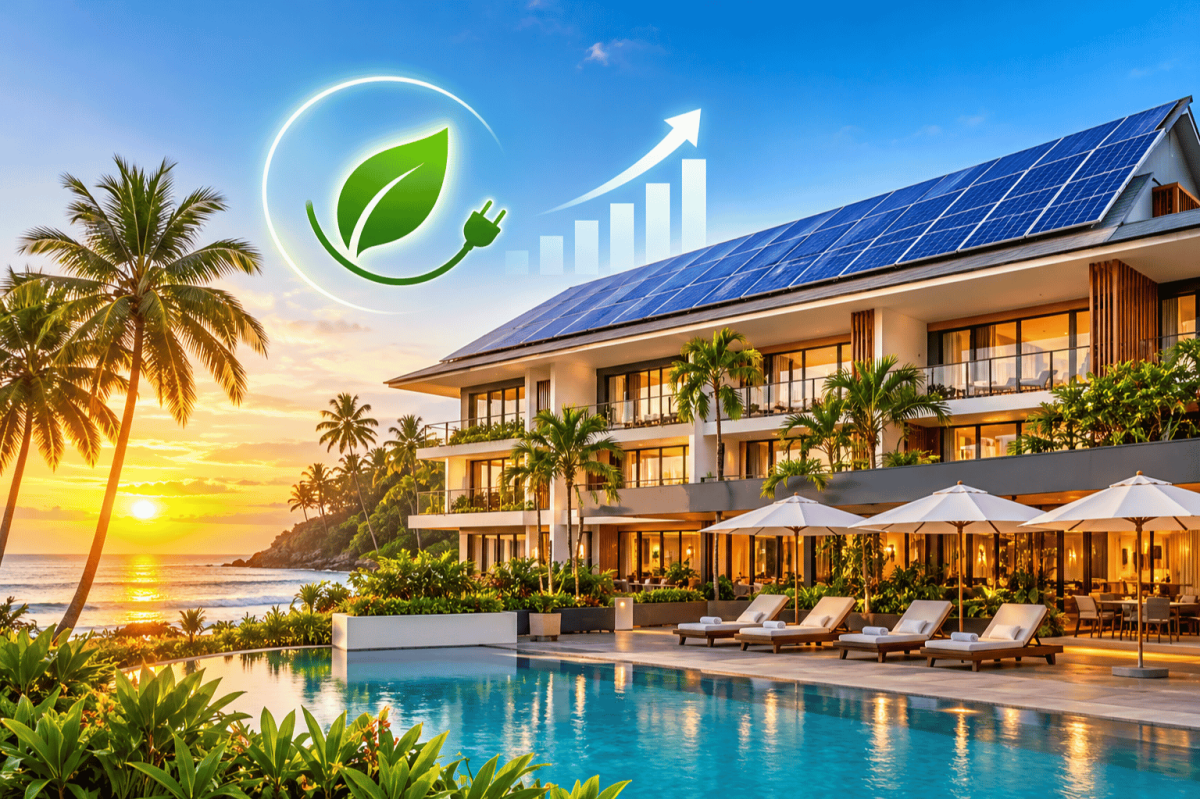
Commercial solar energy presents an opportunity for Sri Lankan businesses to rethink how they generate, consume and manage electricity.
From manufacturing facilities and hotels to warehouses and office buildings, solar PV systems can contribute towards reducing grid electricity consumption and supporting long-term sustainability objectives.
However, achieving the best outcome requires more than installing solar panels. Businesses need appropriate system design, technical feasibility assessments, regulatory awareness and a clear understanding of their energy requirements.
By combining commercial solar PV, battery energy storage and intelligent energy management, organisations can develop more comprehensive energy strategies.
Penta Prime provides independent energy consultancy and technical advisory services to help businesses explore smarter, more efficient and sustainable energy solutions in Sri Lanka.