Is Battery Energy Storage a Good Investment for Sri Lankan Businesses?
November 15, 2026Electricity is one of the major operating expenses for manufacturing businesses in Sri Lanka. Factories depend on a continuous supply of electricity to operate machinery, production lines, compressors, ventilation systems, lighting and other essential equipment. As energy costs influence production expenses and business profitability, manufacturers are increasingly exploring ways to improve energy efficiency and reduce electricity consumption from the grid.
Rooftop solar installation offers factories an opportunity to generate their own electricity using available roof space. By installing a properly designed solar photovoltaic (PV) system, manufacturers can use renewable electricity to support daytime operations, reduce grid electricity consumption and improve long-term energy management.
However, industrial solar projects require more detailed planning than smaller residential installations. Factory electricity demand, roof structure, machinery loads, operating schedules, electrical infrastructure and future expansion plans must all be considered before selecting a solar system.
Choosing the right technical partner is equally important. Businesses searching for an industrial rooftop solar company in Sri Lanka should look beyond installation prices and consider engineering expertise, technical feasibility, system performance and long-term financial value.
This article explains the costs, benefits and important considerations involved in installing rooftop solar systems for factories in Sri Lanka.
Why Are Factories in Sri Lanka Investing in Rooftop Solar?
Manufacturing facilities often have large electricity requirements and substantial rooftop areas that may be suitable for solar panel installation.
Unlike some commercial buildings, factories frequently operate during daylight hours when solar panels generate electricity. This creates an opportunity to use solar-generated electricity directly within the facility.
Several factors are encouraging manufacturers to consider rooftop solar:
- High electricity consumption from manufacturing machinery and production equipment.
- Large rooftop areas that may be suitable for solar panel installation.
- Opportunities to reduce electricity purchases from the grid.
- Increasing interest in renewable energy and sustainable manufacturing.
- The need to improve long-term energy cost management.
- Corporate sustainability and environmental objectives.
For factories with suitable roof conditions and daytime electricity demand, rooftop solar can become an important part of their energy strategy.
However, the financial benefits depend on the factory’s actual electricity consumption, system capacity, electricity tariff, solar generation and project investment.
How Does Industrial Rooftop Solar Installation Work?
An industrial rooftop solar system uses photovoltaic panels installed on a factory’s roof to convert sunlight into electrical energy.
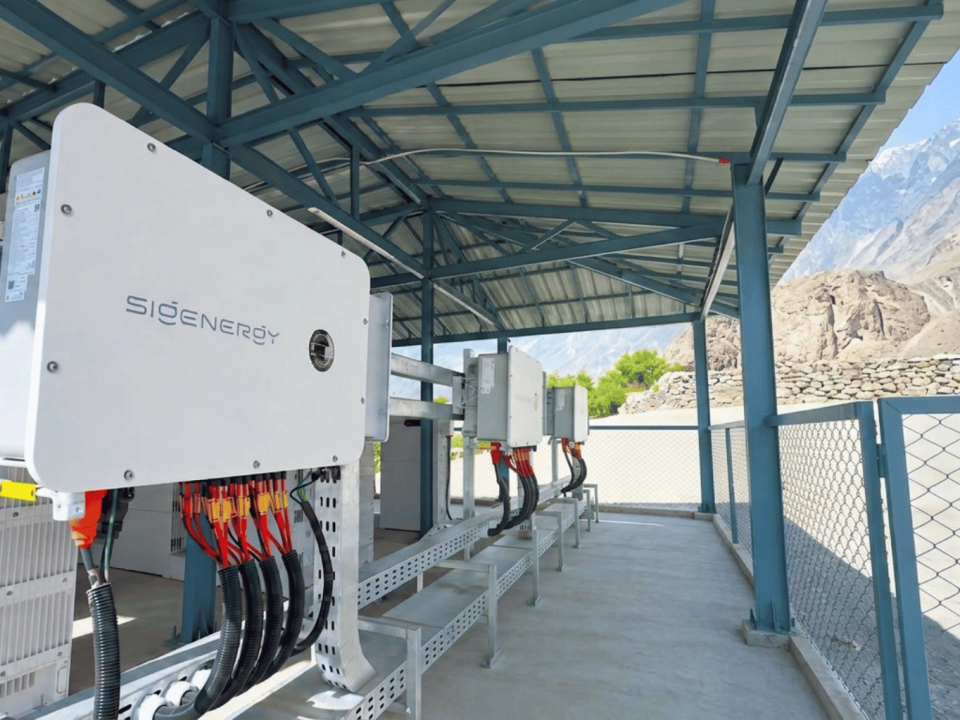
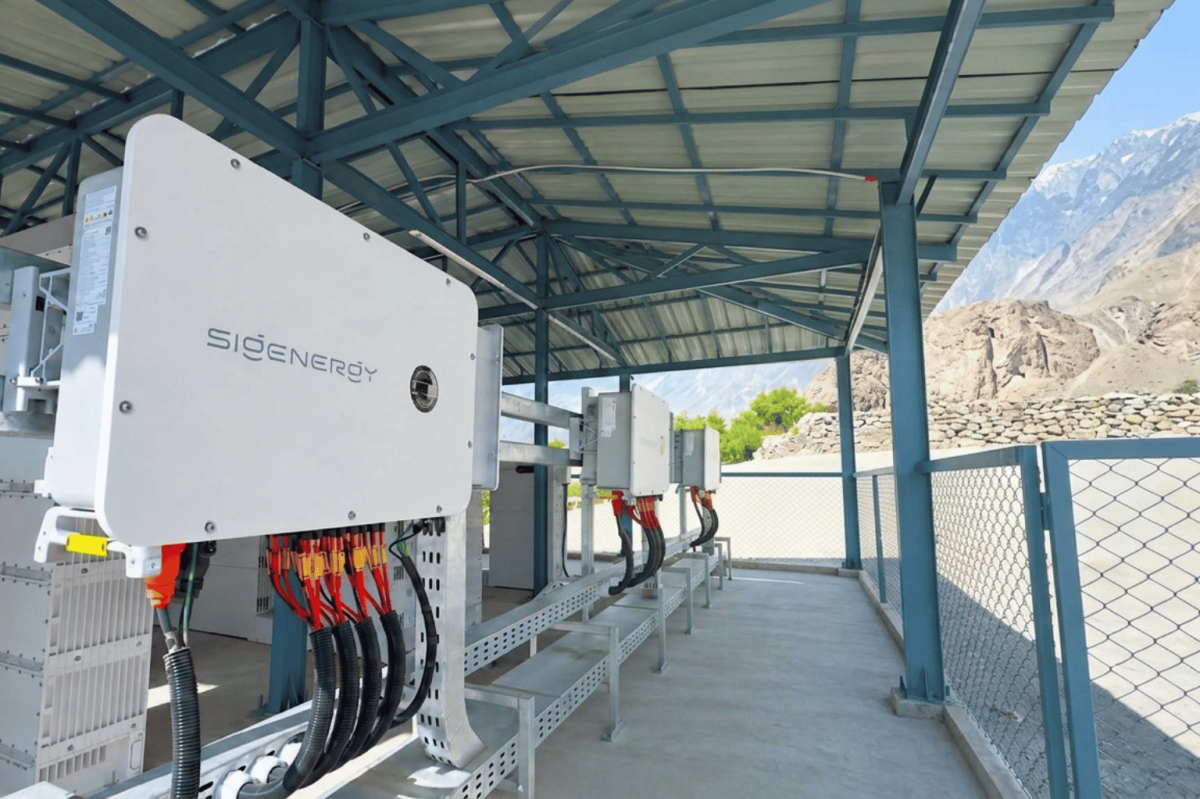
The electricity generated by the solar panels is supplied through inverters, which convert the generated DC electricity into AC electricity suitable for the factory’s electrical infrastructure.
The solar-generated electricity can then be used by machinery, lighting, ventilation, office equipment and other connected electrical loads.
A typical industrial rooftop solar installation includes:
Solar PV panels: Capture sunlight and convert it into direct current electricity.
Solar inverters: Convert DC electricity into AC electricity for use within the factory.
Mounting structures: Secure the solar panels to the factory roof while maintaining the required installation angle and stability.
Electrical protection equipment: Helps protect the system against electrical faults and other operating risks.
Monitoring systems: Allow operators to monitor electricity generation and system performance.
Grid connection infrastructure: Connects the solar installation to the factory’s electrical distribution system, subject to applicable technical requirements.
The system must be designed to work safely with the factory’s existing electrical infrastructure.
An engineering assessment is necessary to determine the appropriate system capacity, equipment configuration and installation arrangement.
Benefits of Rooftop Solar Installation for Factories
1. Reduce Factory Electricity Expenses
One of the main reasons manufacturers invest in solar energy is the opportunity to reduce electricity expenses.
Factories with significant daytime electricity consumption can use solar-generated electricity directly to support their operations.
For example, a manufacturing facility may use solar electricity to support:
- Production machinery.
- Industrial compressors.
- Ventilation systems.
- Factory lighting.
- Water pumping equipment.
- Material handling systems.
- Office and administrative facilities.
When solar generation matches the factory’s electricity consumption, the business can reduce the amount of electricity it needs to purchase from the grid.
The actual savings depend on system capacity, electricity consumption patterns, applicable tariffs and system performance.
2. Make Better Use of Factory Roof Space
Many factories have large rooftop areas that are not actively used for production or storage.
These rooftops may provide suitable space for solar panel installation without requiring additional land.
Depending on the building structure and site conditions, manufacturers may be able to install solar panels across suitable sections of:
- Main factory buildings.
- Warehouses.
- Production facilities.
- Storage buildings.
- Administrative buildings.
- Other suitable industrial rooftops.
However, not every roof is automatically suitable for solar installation.
Structural strength, roof condition, waterproofing, shading, panel orientation and maintenance access must be evaluated before installation.
3. Improve Long-Term Energy Cost Management
Manufacturers need to manage operating expenses to maintain competitiveness.
Generating part of their electricity through solar can help factories reduce their exposure to grid electricity costs.
A solar PV system also allows businesses to estimate expected electricity generation over time, supporting more informed energy planning.
Although solar generation varies depending on weather, system performance and operating conditions, a properly designed installation can contribute to long-term energy cost management.
4. Support Sustainable Manufacturing
Sustainability is becoming an important consideration for manufacturers, exporters and businesses supplying international markets.
Many organisations are placing greater emphasis on environmental performance, renewable energy use and responsible resource management.
Industrial rooftop solar can help factories generate electricity from a renewable source and reduce their reliance on grid electricity generated from conventional sources.
This can support wider sustainability initiatives, including:
- Reducing operational carbon emissions.
- Improving environmental performance.
- Supporting corporate sustainability objectives.
- Strengthening environmental reporting.
- Contributing to responsible manufacturing practices.
The actual environmental benefit depends on the amount of solar electricity generated and the electricity sources displaced.
5. Improve Energy Independence
Solar energy provides factories with an additional source of electricity.
Although a standard grid-connected solar system does not make a factory independent of the national grid, it can reduce the amount of electricity purchased from the grid during suitable operating periods.
When combined with battery energy storage, solar PV can provide additional flexibility by storing surplus solar electricity for later use.
This can be particularly useful for factories with evening operations or specific backup power requirements.
What Is the Cost of Industrial Rooftop Solar Installation in Sri Lanka?
The cost of installing an industrial rooftop solar system depends on several technical and project-specific factors.
Unlike a standard residential installation, an industrial solar project may involve larger system capacities, complex electrical infrastructure, structural assessments and specialised engineering requirements.
The main factors influencing the total project cost include the following.
1. Solar System Capacity
The required solar capacity is one of the most important factors affecting project investment.
A factory with higher electricity consumption may require a larger solar PV system. However, system capacity should not be selected based on electricity consumption alone.
The factory’s daytime load profile, available roof area, grid connection capacity and expected solar generation must also be evaluated.
2. Solar Panel Selection
Solar panel technology, power rating, efficiency, warranty and manufacturer specifications influence the overall project cost.
The appropriate panel selection should consider available installation space, expected performance, environmental conditions and long-term reliability.
3. Inverter Selection
Industrial solar systems require inverters that are suitable for the system capacity and electrical infrastructure.
Important considerations include inverter efficiency, operating voltage, protection features, monitoring capabilities and compatibility with the proposed system design.
4. Roof Structure and Mounting Requirements
The condition and construction of the factory roof can influence installation costs.
Some rooftops may require additional structural work, mounting arrangements or waterproofing improvements before solar panels can be installed.
The mounting system must be suitable for the roof type and local environmental conditions.
5. Electrical Infrastructure
Industrial installations may require modifications to existing electrical distribution systems.
Depending on the project, additional work may include:
- Electrical protection upgrades.
- Distribution board modifications.
- Cable installations.
- Transformer and grid connection assessments.
- Monitoring and communication infrastructure.
- Electrical safety improvements.
6. Battery Energy Storage Requirements
A factory may choose to install battery storage alongside its solar PV system.
Battery storage increases the initial project investment but may provide additional benefits depending on the factory’s operating requirements.
A BESS can store surplus solar electricity, support selected loads during grid interruptions and help manage electricity demand when configured appropriately.
The decision to include batteries should be based on a separate technical and financial feasibility assessment.
7. Engineering, Installation and Commissioning
The total project cost should also account for system design, engineering, installation, testing and commissioning.
Businesses should evaluate the complete project scope rather than comparing proposals based only on the price per installed kilowatt.
A detailed technical proposal helps manufacturers understand exactly what is included in the investment.
How to Determine the Right Solar System Size for a Factory
Selecting the correct solar system capacity is essential for achieving the expected financial and operational benefits.
A system that is too small may not address a significant portion of the factory’s electricity demand. An oversized system may generate more electricity than the factory can economically use, depending on applicable export arrangements and project conditions.
A proper assessment should consider the following factors.
Factory Electricity Consumption
Electricity bills provide an initial understanding of the factory’s energy usage.
However, monthly consumption figures alone may not provide enough information for accurate system sizing.
Where available, interval meter data can help identify how electricity consumption changes throughout the day.
Factory Operating Hours
A factory operating primarily during daylight hours may have a good opportunity to use solar-generated electricity directly.
Facilities operating multiple shifts, including evening and night shifts, may need to consider battery storage or other energy management strategies.
Maximum Demand
Industrial facilities often have significant variations in electricity demand depending on machinery operation and production schedules.
Maximum demand and load profiles should be evaluated to understand how the solar system will interact with the factory’s electrical infrastructure.
Available Roof Area
The available roof space influences the maximum solar capacity that can be installed.
However, the entire roof area may not be usable because of shading, structural limitations, access requirements, ventilation equipment and other rooftop installations.
Future Factory Expansion
Manufacturers should also consider future production expansion and changes in electricity requirements.
A solar system should be evaluated in the context of the factory’s long-term operational plans.
Important Technical Considerations Before Installing Solar Panels on Factory Roofs
Industrial rooftop solar projects require careful technical planning to ensure safe operation and reliable performance.
1. Structural Assessment of the Roof
Solar panels and mounting structures add additional loads to a factory roof.
Before installation, the roof should be assessed to determine whether it can safely support the proposed system.
The assessment should consider:
- Existing roof construction.
- Structural load-bearing capacity.
- Roof condition and age.
- Wind loading.
- Mounting arrangements.
- Waterproofing requirements.
- Maintenance access.
Factories with ageing or damaged roofs may require repairs or improvements before installation.
2. Roof Orientation and Shading
Solar panels perform best when they receive sufficient sunlight throughout the day.
Nearby buildings, trees, chimneys, ventilation equipment and other structures can create shading that affects system generation.
A detailed site assessment should identify shading conditions and determine the most suitable panel layout.
3. Electrical System Compatibility
Industrial solar installations must operate safely with the factory’s existing electrical infrastructure.
The assessment should consider the main distribution system, transformer capacity, electrical protection equipment, inverter configuration and grid connection requirements.
The proposed installation must comply with applicable technical standards and electricity provider requirements.
4. Solar System Monitoring
Monitoring is important for maintaining system performance.
A suitable monitoring platform can help factory management track:
- Daily solar electricity generation.
- Monthly and annual energy production.
- Inverter operating status.
- System performance.
- Fault alerts and operational issues.
Regular monitoring can help identify performance problems and support timely maintenance.
5. Maintenance and Cleaning
Solar panels are exposed to dust, rain, environmental pollution and other conditions that may affect performance.
Factories should establish a suitable maintenance plan that includes panel cleaning, electrical inspections, inverter checks and monitoring system reviews.
Maintenance activities should also be planned to avoid unnecessary disruption to factory operations.
Should Factories Install Battery Energy Storage Alongside Solar?
A solar PV system and a Battery Energy Storage System (BESS) can work together to improve energy management.
While solar panels generate electricity during daylight hours, battery storage allows surplus electricity to be stored for later use.
This can be beneficial for factories that consume electricity beyond normal daylight hours.
A BESS may provide several benefits.
Store surplus solar electricity: Excess solar generation can be stored and used when solar production decreases.
Support selected loads during power interruptions: A properly configured system can provide backup electricity for critical machinery and essential operations.
Manage peak demand: Depending on the applicable electricity tariff, stored energy may be used to reduce grid demand during selected high-demand periods.
Improve renewable energy utilisation: Battery storage can increase the amount of solar-generated electricity used within the factory.
However, battery storage is not necessary for every industrial solar installation.
The financial benefits depend on electricity tariffs, operating schedules, battery capacity, system efficiency and the value of backup power.
Businesses should evaluate solar PV and BESS as connected but separately assessable investments.
Grid-Connected Solar vs Hybrid Solar for Factories
Factories should understand the difference between grid-connected and hybrid solar systems before making an investment decision.
Grid-Connected Solar Systems
A grid-connected solar system operates alongside the national electricity grid.
During daylight hours, the factory uses solar-generated electricity to support its electrical loads. When solar generation is insufficient, electricity is supplied by the grid.
These systems are commonly considered by factories primarily interested in reducing electricity purchases.
However, conventional grid-connected solar inverters generally shut down during a grid power failure because of anti-islanding protection requirements.
Therefore, a standard grid-connected solar installation should not be assumed to provide backup electricity during an outage.
Hybrid Solar Systems with Battery Storage
A hybrid solar system combines solar panels, battery storage and grid connectivity.
Surplus solar electricity can be stored in batteries and used later, depending on the system configuration.
With suitable backup functionality, the system may also supply selected factory loads during grid interruptions.
This can be particularly important for manufacturing facilities where certain equipment must remain operational to protect products, maintain safety or support critical processes.
The battery system should be designed around the actual backup requirements rather than attempting to support every factory load.
How to Choose an Industrial Rooftop Solar Company in Sri Lanka
Selecting the right technical partner is one of the most important decisions in an industrial solar project.
Businesses searching for an industrial rooftop solar company in Sri Lanka should evaluate more than the initial installation quotation.
The selected company or technical partner should demonstrate the ability to understand industrial electricity requirements, evaluate project feasibility and develop a suitable engineering solution.
Consider the following factors when comparing potential providers.
1. Industrial Solar Engineering Expertise
Industrial facilities have different electrical requirements from residential buildings.
Look for a provider with the technical capability to assess factory electricity consumption, system sizing, electrical infrastructure and rooftop installation requirements.
2. Technical and Financial Feasibility
A reliable project assessment should examine both technical suitability and financial value.
This includes estimating solar generation, reviewing electricity consumption, assessing applicable tariffs and evaluating the expected investment return.
3. Quality of Proposed Equipment
Evaluate the proposed solar panels, inverters, protection equipment and monitoring systems.
Check product specifications, warranty conditions, compatibility and long-term service arrangements.
4. System Design and Safety
The solar installation should be designed according to the factory’s roof conditions and electrical infrastructure.
Structural suitability, electrical protection, grid connection requirements and maintenance access must be considered.
5. Long-Term Performance and Support
Solar energy is a long-term investment.
Businesses should understand the monitoring, maintenance, warranty and technical support arrangements available after installation.
6. Independent Technical Advice
An independent technical assessment can help businesses evaluate whether a proposed solar system is appropriately sized and financially justified.
This is particularly important for large industrial projects involving significant capital investment.
Why Technical Feasibility Matters in Industrial Solar Projects
A factory should not invest in rooftop solar based only on a general system quotation.
Two factories with similar electricity consumption may require different solar configurations because of differences in operating schedules, roof conditions, machinery loads and electrical infrastructure.
A techno-economic feasibility assessment helps businesses evaluate:
- Actual electricity consumption patterns.
- Suitable solar PV capacity.
- Expected solar energy generation.
- Available rooftop installation space.
- Electrical infrastructure requirements.
- Potential battery storage applications.
- Estimated project investment.
- Expected electricity cost savings.
- Financial payback and long-term returns.
This process helps manufacturers make decisions based on technical evidence and realistic financial expectations.
How Penta Prime Supports Industrial Solar and Energy Projects
Choosing a suitable solar solution requires a combination of engineering knowledge, energy analysis and financial evaluation.
Penta Prime (Pvt) Ltd is a specialised energy consultancy providing independent technical and strategic advisory services across renewable energy and energy management.
Its expertise includes Solar PV, Battery Energy Storage Systems (BESS), Energy Management Systems and industrial energy efficiency.
Penta Prime provides services including:
- Techno-economic feasibility assessments.
- Solar PV system evaluation and optimisation.
- Technical due diligence.
- Energy audits.
- Battery energy storage advisory.
- Energy management consultancy.
- ISO 50001:2018 consultancy.
- Renewable energy project advisory.
Penta Prime is also the Official Installer for Sigenergy BESS Solutions in Sri Lanka.
For manufacturers evaluating rooftop solar investments, professional technical and financial assessments can help identify suitable system configurations and understand the potential value of renewable energy solutions.
Rather than selecting a system based only on installation capacity or initial price, businesses should consider their complete energy requirements and long-term operational objectives.
Frequently Asked Questions About Industrial Rooftop Solar in Sri Lanka
1. Is rooftop solar suitable for factories in Sri Lanka?
Yes. Many factories have suitable rooftop areas and significant daytime electricity consumption, making rooftop solar worth evaluating. However, suitability depends on roof structure, electricity demand, available space, electrical infrastructure and project feasibility.
2. How much does industrial rooftop solar installation cost in Sri Lanka?
The cost depends on solar system capacity, panel and inverter specifications, roof conditions, mounting structures, electrical infrastructure and installation requirements. Battery storage and additional engineering work can increase the total investment. A project-specific assessment is required to determine the cost.
3. How many solar panels does a factory need?
The number of solar panels depends on the required system capacity and the power rating of the selected panels. System sizing should be based on the factory’s electricity consumption, daytime load profile, available roof space and expected solar generation.
4. Can a factory operate using solar power alone?
It depends on the factory’s electricity requirements and the system configuration. A grid-connected solar system generally operates alongside the electricity grid. A facility seeking greater energy independence would need to evaluate additional generation and storage capacity, as well as the technical requirements for independent operation.
5. Can industrial solar panels provide electricity during power cuts?
Conventional grid-connected solar systems generally shut down during grid interruptions. A properly designed hybrid solar system with battery storage and suitable backup arrangements can supply selected loads during a power failure.
6. Is battery storage necessary for industrial rooftop solar?
No. Factories primarily interested in reducing daytime electricity consumption may find a grid-connected solar system suitable. Battery storage may be beneficial for facilities requiring backup power, evening energy use or specific demand management strategies.
7. How long do industrial solar panels last?
Solar panels are designed for long-term operation, but their performance gradually changes over time. Actual operating life and energy production depend on product quality, environmental conditions, installation and maintenance. Businesses should review the manufacturer’s product and performance warranties.
8. Can warehouses and large industrial buildings install rooftop solar?
Yes. Warehouses and industrial buildings may have substantial rooftop areas suitable for solar installations. However, structural strength, roof condition, shading, access requirements and electrical infrastructure must be assessed before installation.
9. How can a factory calculate solar energy savings?
Solar savings can be estimated by analysing electricity consumption, expected solar generation, self-consumption levels and applicable electricity tariffs. A detailed financial assessment should also consider project costs, maintenance, system performance and applicable electricity export arrangements.
10. What should businesses look for in an industrial rooftop solar company in Sri Lanka?
Businesses should consider industrial engineering expertise, technical feasibility assessments, system design quality, equipment specifications, safety standards, financial evaluation and long-term support. The provider should understand the factory’s operational requirements rather than simply recommending a standard solar package.
Make Your Factory More Energy Efficient with Rooftop Solar
Industrial rooftop solar offers Sri Lankan manufacturers an opportunity to generate renewable electricity, reduce grid electricity consumption and improve long-term energy management.
With suitable rooftop space and significant daytime electricity demand, factories can benefit from a properly designed solar PV installation. When combined with battery energy storage and smart energy management, solar can also support additional operational requirements.
However, the success of an industrial solar project depends on more than the number of panels installed. System sizing, structural assessments, electrical compatibility, equipment selection and financial feasibility all play important roles.
Businesses looking for an industrial rooftop solar company in Sri Lanka should prioritise technical expertise, engineering quality and a clear understanding of their energy requirements.
Planning to install rooftop solar at your factory?
Penta Prime (Pvt) Ltd provides specialised energy consultancy, technical assessments and project advisory services to help businesses evaluate solar PV, battery energy storage and energy management opportunities.
Visit https://penta.lk/ to explore energy solutions and professional consultancy services for industrial and commercial businesses in Sri Lanka.