Smart Energy Metering: How Businesses Can Monitor and Control Electricity Consumption
November 2, 2026
Is Battery Energy Storage a Good Investment for Sri Lankan Businesses?
November 15, 2026The hotel industry in Sri Lanka depends heavily on electricity to maintain guest comfort, provide quality services and manage daily operations. From air conditioning and lighting to kitchens, laundry facilities, swimming pools and water pumps, hotels consume significant amounts of electricity throughout the day.
As electricity costs continue to influence operational expenses, hotel owners and management teams are increasingly looking for ways to improve energy efficiency and reduce their dependence on conventional electricity sources.
Solar energy offers hotels an opportunity to generate electricity from renewable sources, manage energy costs and support long-term sustainability goals. When combined with battery energy storage and smart energy management technologies, solar solutions can provide even greater flexibility for hotels with different energy requirements.
This article explores how solar solutions can benefit hotels in Sri Lanka, the available system options and the important factors to consider before investing in a solar energy system.
Why Should Hotels in Sri Lanka Consider Solar Energy?
Electricity is one of the major operating expenses for many hotels. Unlike some businesses, hotels often operate around the clock, meaning their electricity requirements continue during the day and night.
Several hotel operations contribute to high electricity consumption, including:
- Air conditioning systems in guest rooms, restaurants and common areas.
- Lighting across rooms, corridors, gardens and outdoor spaces.
- Commercial kitchens and food preparation equipment.
- Laundry facilities, washing machines and dryers.
- Swimming pool pumps and filtration systems.
- Water heating systems.
- Elevators, ventilation systems and other electrical equipment.
- Refrigeration and cold storage facilities.
These requirements create an opportunity for hotels to use solar energy to offset a portion of their electricity consumption.
By installing a properly designed solar PV system, a hotel can generate electricity during daylight hours and use that energy to support its daily operations.
The potential benefits depend on the hotel’s electricity consumption pattern, available roof space, system capacity, equipment selection and applicable electricity tariffs.
How Does a Solar PV System Work for a Hotel?
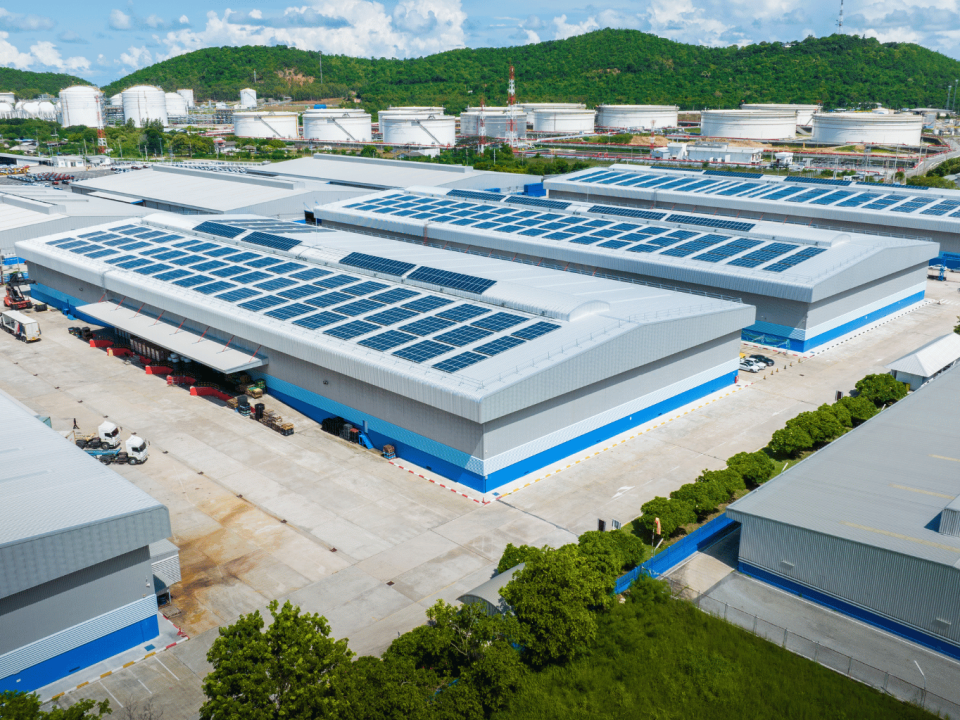
A solar photovoltaic (PV) system converts sunlight into electrical energy using solar panels installed on a suitable roof or ground-mounted area.
The electricity generated by the panels is converted into usable AC electricity through an inverter. It can then be used to power the hotel’s electrical equipment.
In a grid-connected solar system, electricity generated by the panels is primarily used by the hotel. Depending on the system configuration and applicable electricity arrangements, excess electricity may be exported to the grid.
A typical commercial solar PV system includes:
- Solar panels to generate electricity from sunlight.
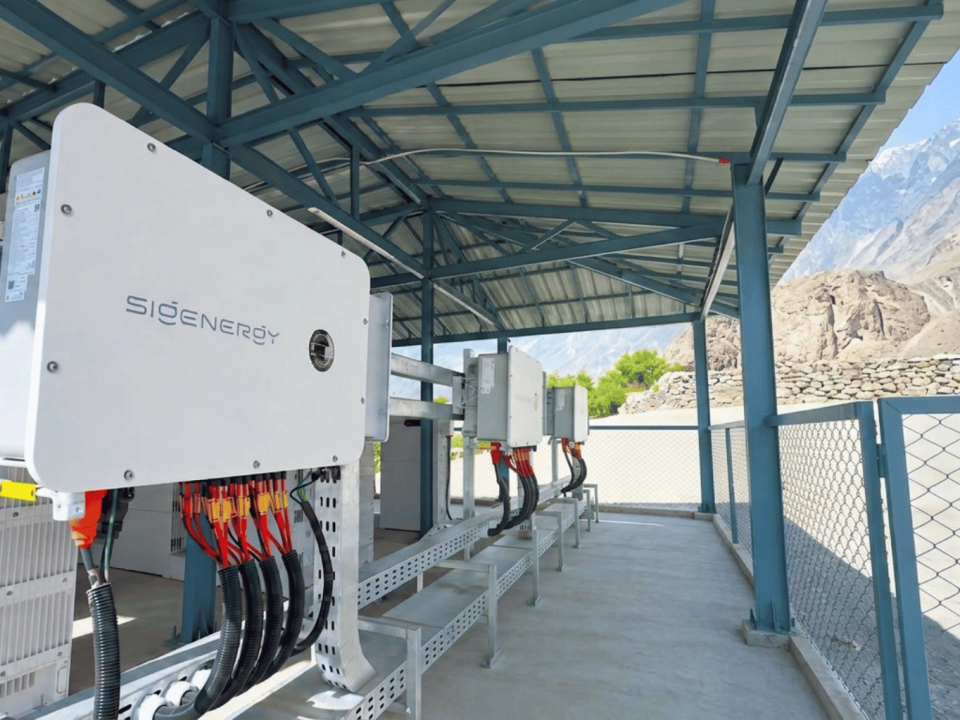
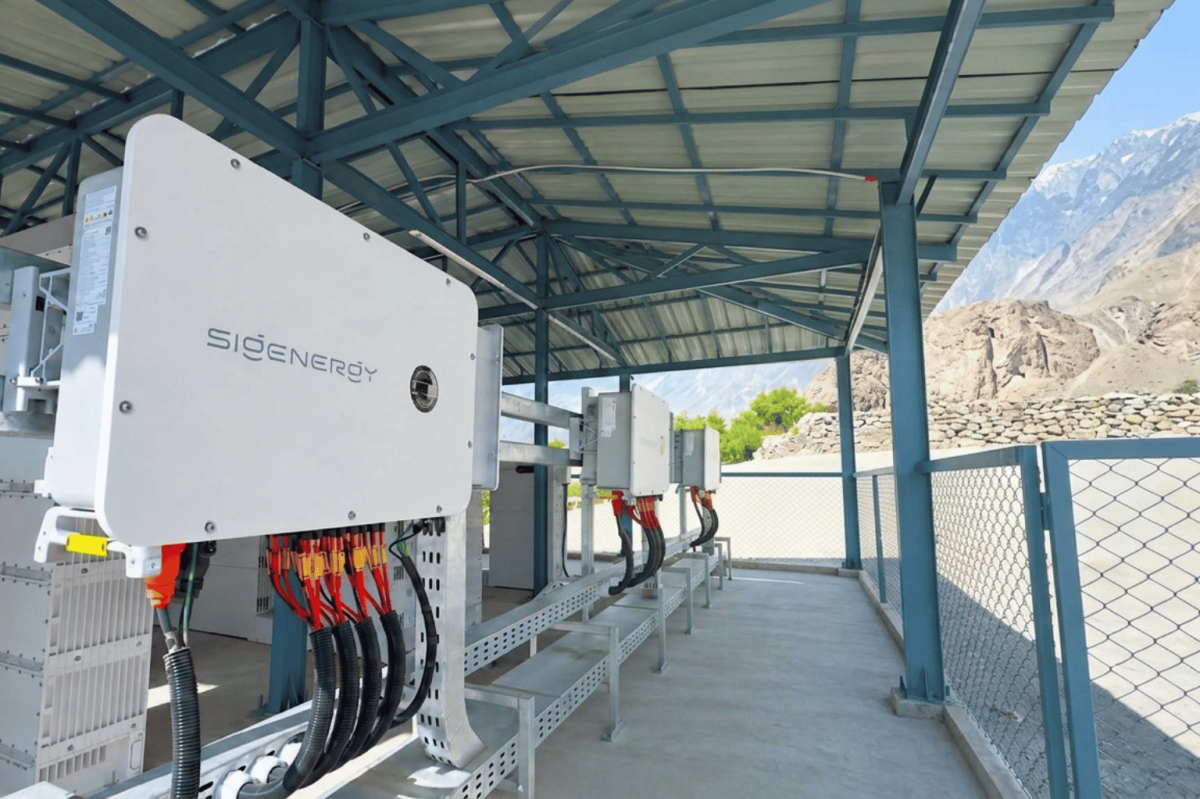
- Solar inverters to convert electricity into a usable form.
- Mounting structures to secure the panels.
- Electrical protection and distribution equipment.
- Monitoring systems to track solar generation and system performance.
The system capacity should be determined through an assessment of the hotel’s electricity consumption, available installation space and expected energy requirements.
Rather than selecting a system based only on the available roof area, hotels should consider how much electricity they consume and when they consume it.
Benefits of Solar Installation for Hotels
1. Reduce Electricity Expenses
One of the main reasons hotels consider solar energy is the opportunity to reduce electricity expenses.
Solar panels generate electricity during daylight hours, allowing hotels to use solar power for suitable daytime operations.
For example, a hotel may use solar-generated electricity to support air conditioning, kitchen equipment, water pumps, laundry operations and general lighting during the day.
The amount saved depends on the hotel’s consumption pattern, solar system capacity, electricity tariff structure and system performance.
A properly designed system can help reduce the amount of electricity purchased from the grid.
2. Improve Energy Cost Predictability
Electricity expenses can have a significant impact on a hotel’s operating budget.
Generating part of its electricity through solar energy can help a hotel manage its exposure to grid electricity costs.
Solar generation can also support more informed financial planning because the system’s expected energy production can be estimated during the feasibility assessment.
However, actual savings depend on operating conditions, weather, maintenance and electricity arrangements.
3. Support Sustainability Goals
Sustainability has become an important consideration in the hospitality industry.
Many travellers are increasingly interested in environmentally responsible accommodation, while hotel operators are looking for practical ways to reduce their environmental impact.
Solar energy allows hotels to generate electricity from a renewable source and reduce their reliance on grid electricity generated from conventional sources.
This can support wider sustainability initiatives, particularly when combined with energy efficiency improvements, responsible water management and waste reduction.
4. Make Better Use of Available Roof Space
Hotels often have large roof areas that can potentially accommodate solar panels.
These spaces may include:
- Main hotel building rooftops.
- Rooftops above restaurants and commercial areas.
- Conference and event facility rooftops.
- Suitable parking structures.
- Other available areas with adequate sunlight exposure.
A professional site assessment is necessary to determine whether these spaces are suitable for solar installation.
Roof condition, structural capacity, shading, orientation, maintenance access and waterproofing requirements should all be considered before installation.
5. Improve Energy Management
Solar installation can also encourage hotels to take a more structured approach to electricity management.
By monitoring solar generation alongside electricity consumption, management teams can better understand how energy is being used throughout the property.
This information can help identify opportunities to improve energy efficiency, reduce unnecessary consumption and optimise the operation of electrical equipment.
Grid-Connected Solar vs Hybrid Solar Systems for Hotels
Hotels should understand the difference between grid-connected and hybrid solar systems before selecting a solution.
The right configuration depends on the hotel’s electricity requirements, backup expectations, operating schedule and investment objectives.
Grid-Connected Solar Systems
A grid-connected solar system operates alongside the electricity grid.
During daylight hours, solar panels generate electricity that can be used by the hotel’s electrical equipment. When solar generation is insufficient, electricity can be supplied by the grid.
These systems are commonly considered by hotels that primarily want to reduce their electricity purchases.
However, conventional grid-connected solar inverters generally shut down during a grid power failure because of anti-islanding protection requirements.
This means a standard grid-connected solar system should not be assumed to provide electricity during a power outage.
Hybrid Solar Systems with Battery Storage
A hybrid solar system combines solar generation, grid connectivity and battery energy storage.
The system can store surplus solar electricity in batteries and use the stored energy when required, depending on its design and operating configuration.
For hotels, this can provide additional flexibility.
A properly designed hybrid system may support selected electrical loads during grid interruptions, provided that the inverter, battery system, protection equipment and backup distribution arrangements are designed accordingly.
Hotels can identify important loads that need backup support, such as:
- Emergency lighting.
- Selected guest room circuits.
- Communication and networking equipment.
- Security systems.
- Essential refrigeration.
- Selected pumps and operational equipment.
Not every electrical load needs to be supported by battery storage. Separating essential and non-essential loads can help optimise the battery system’s capacity and investment.
Why Battery Energy Storage Is Important for Hotels
Battery Energy Storage Systems (BESS) allow hotels to store electricity for later use.
When integrated with a suitable solar PV system, batteries can store surplus solar generation and make that energy available when solar production is low or when backup power is required.
For hotels with significant electricity consumption, battery storage can provide several operational benefits.
Backup Power for Essential Operations
Power interruptions can affect guest comfort, hotel services and business continuity.
Depending on system design and battery capacity, a BESS can supply selected loads during grid failures.
This may help maintain essential services such as emergency lighting, communication systems, security equipment and selected operational facilities.
Battery storage should be sized according to the required backup loads and the expected backup duration.
Better Use of Solar Electricity
Without battery storage, surplus solar generation may be exported to the grid or managed according to the applicable system arrangement.
A battery system provides another option by storing available electricity for use later.
This can be useful for hotels that consume electricity during evening and night-time periods when solar generation is unavailable.
Peak Demand Management
Some hotels experience periods of high electricity demand when multiple electrical systems operate simultaneously.
Depending on the electricity tariff structure and battery system capabilities, energy storage may help manage peak demand by supplying stored electricity during selected high-demand periods.
This strategy is commonly referred to as peak shaving.
A detailed analysis of the hotel’s electricity consumption and tariff structure is necessary to determine whether battery-based peak shaving is financially beneficial.
How Much Solar Capacity Does a Hotel Need?
There is no single solar system capacity suitable for every hotel.
A small boutique hotel, a medium-sized resort and a large commercial hotel will have different electricity requirements.
The required solar capacity should be determined through an assessment of several factors:
Daily electricity consumption: The hotel’s average daily electricity usage provides an important starting point for estimating the required solar generation capacity.
Electricity consumption patterns: Hotels should identify how much electricity they consume during daylight hours compared with evenings and nights.
Available installation space: Roof area, shading, structural condition and panel layout influence the amount of solar capacity that can be installed.
Electrical infrastructure: Existing transformers, distribution boards, inverters and grid connection arrangements must be assessed.
Future expansion: Planned additions such as new guest rooms, restaurants, swimming pools or conference facilities may increase future electricity demand.
Battery requirements: If the hotel requires backup power or wants to improve the use of solar electricity after sunset, battery storage should be evaluated separately.
For example, consider a hotel that consumes approximately 1,000 kWh of electricity per day.
A solar feasibility assessment would examine the hotel’s daytime consumption, available installation space, expected solar generation and electricity tariff structure before recommending a suitable system.
The final system capacity should be based on technical and financial analysis rather than a general estimate.
How Smart Energy Metering Helps Hotels Improve Efficiency
Solar panels alone do not address every energy management challenge.
Hotels also need to understand where electricity is being consumed and identify opportunities to reduce unnecessary usage.
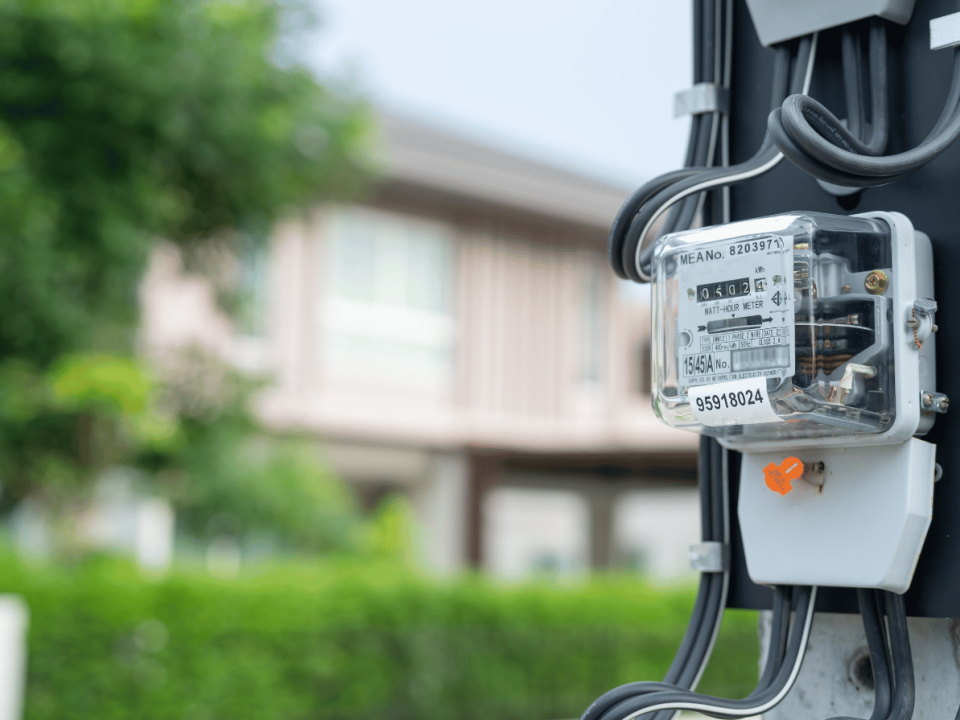
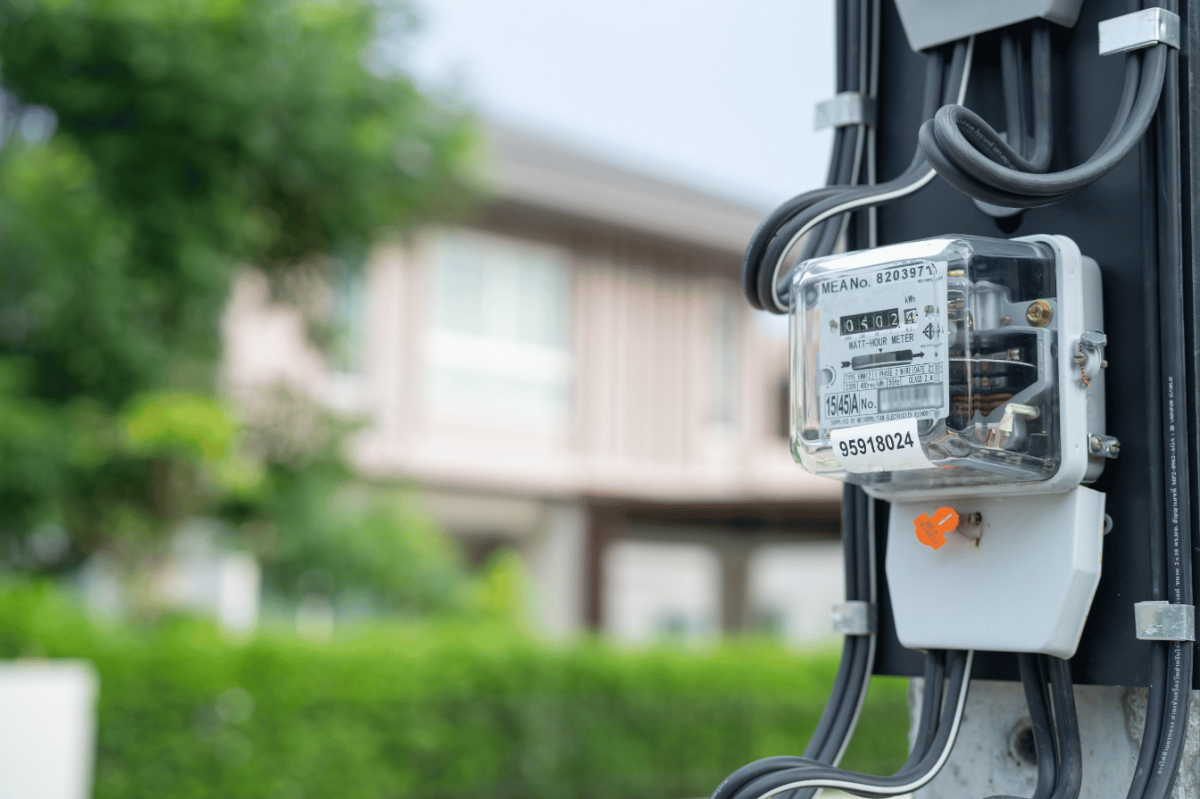
Smart energy metering can provide detailed information about electricity consumption across different areas of a property.
For example, a hotel may monitor electricity usage in:
- Guest room sections.
- Restaurants and kitchens.
- Laundry facilities.
- Air conditioning systems.
- Swimming pool equipment.
- Water pumping systems.
- Main electrical distribution points.
This information helps management identify high-consumption areas, unusual energy usage and opportunities for improvement.
When integrated with a suitable energy management approach, smart metering can help hotels make informed decisions about equipment operation, energy efficiency and solar system utilisation.
What Should Hotels Consider Before Installing Solar Panels?
Investing in solar energy requires more than selecting solar panels and an inverter.
A successful project begins with understanding the hotel’s actual energy requirements and evaluating the technical suitability of the property.
Important considerations include the following.
1. Conduct an Energy Assessment
An energy assessment helps establish how electricity is consumed across the hotel.
It can identify major energy-consuming equipment, operating patterns and potential efficiency improvements.
This information provides a foundation for determining the appropriate solar system configuration.
2. Evaluate the Roof Structure
Before installing solar panels, the roof must be assessed for structural suitability.
The assessment should consider the roof’s condition, load-bearing capacity, waterproofing, shading and available installation area.
Hotels should also ensure that solar panels do not interfere with maintenance activities or essential building operations.
3. Select Suitable Equipment
Solar panels, inverters, batteries and electrical protection equipment should be selected based on the project’s technical requirements.
Hotels should consider equipment quality, compatibility, warranty conditions, monitoring capabilities and long-term service requirements.
4. Evaluate Battery Storage Requirements
Not every hotel needs a battery system.
If the main objective is to reduce daytime electricity consumption, a grid-connected solar system may be worth evaluating.
However, hotels that require backup power or want to store solar electricity for later use may benefit from a hybrid system with battery storage.
The decision should be based on the hotel’s operational requirements and financial feasibility.
5. Review Grid Connection Requirements
Solar projects must comply with the applicable electricity provider requirements, technical standards and connection arrangements.
Hotels should ensure that the proposed system is assessed against the relevant requirements of the electricity provider and applicable regulatory authorities.
6. Consider Long-Term Maintenance
Solar systems require ongoing monitoring and maintenance to maintain performance.
Hotels should consider panel cleaning, electrical inspections, inverter monitoring, battery maintenance requirements and equipment warranty conditions.
A suitable maintenance plan helps protect the investment and supports reliable system operation.
How Much Does Hotel Solar Installation Cost in Sri Lanka?
The cost of installing a solar energy system for a hotel depends on the project’s size, configuration and technical requirements.
There is no fixed price that applies to every hotel.
The main factors influencing project costs include:
- Required solar PV capacity.
- Solar panel type and quantity.
- Inverter capacity and configuration.
- Battery storage capacity, if required.
- Mounting structures and roof conditions.
- Electrical infrastructure upgrades.
- Grid connection requirements.
- Monitoring and protection equipment.
- Installation complexity.
- Engineering, design and project management requirements.
A grid-connected solar system and a hybrid solar system with battery storage can have significantly different investment requirements.
The most appropriate approach is to conduct a technical and financial feasibility assessment before requesting a final project quotation.
Hotels should evaluate the expected electricity savings, project investment, operating costs and long-term system performance when comparing proposals.
Why Professional Solar Engineering and Consultancy Matter
A commercial solar project should be designed around the property’s actual electricity requirements rather than relying on a standard system configuration.
For hotels, this is particularly important because electricity consumption can vary significantly between departments and throughout the day.
Professional energy consultancy can help hotel owners and management teams make informed decisions before investing in solar infrastructure.
Penta Prime (Pvt) Ltd provides specialised technical and strategic advisory services in renewable energy, solar PV, battery energy storage systems and energy management.
Its services include techno-economic feasibility assessments, system optimisation, technical due diligence, energy audits, ISO 50001:2018 consultancy and project advisory services.
Penta Prime is also the Official Installer for Sigenergy BESS Solutions in Sri Lanka.
By combining technical evaluation with energy management considerations, Penta Prime helps businesses assess suitable energy solutions based on their operational requirements and investment objectives.
Frequently Asked Questions About Solar for Hotels in Sri Lanka
1. Is solar energy suitable for hotels in Sri Lanka?
Yes. Hotels can use solar energy to generate electricity for suitable daytime operations and reduce their reliance on grid electricity. The suitability and financial benefits depend on the hotel’s electricity consumption, available installation space and project feasibility.
2. Can solar panels reduce hotel electricity bills?
Solar panels can reduce the amount of electricity a hotel purchases from the grid by generating electricity for its own consumption. Actual savings depend on solar generation, electricity usage patterns, system capacity and applicable tariffs.
3. Can a hotel use solar power during a power cut?
It depends on the solar system configuration. Conventional grid-connected solar inverters generally shut down during grid failures. A properly designed hybrid solar system with battery storage and suitable backup arrangements can supply selected electrical loads during an outage.
4. Do hotels need battery storage with solar panels?
Not necessarily. Hotels primarily interested in reducing daytime electricity costs may consider a grid-connected system. Battery storage may be beneficial when the hotel requires backup power, wants to store surplus solar electricity or needs additional energy management flexibility.
5. How much roof space is required for hotel solar installation?
The required roof space depends on the proposed solar capacity, panel specifications, roof orientation, shading and installation layout. A professional site assessment is necessary to determine the available installation capacity.
6. Can solar energy power hotel air conditioning systems?
Yes. Solar-generated electricity can support air conditioning systems when the solar system is appropriately designed and connected. However, air conditioning equipment can represent a significant electrical load, so system sizing and consumption patterns must be carefully evaluated.
7. How long do commercial solar systems last?
The operating life of a commercial solar system depends on the quality of its components, environmental conditions, installation quality and maintenance. Solar panels are generally designed for long-term operation, while inverters and batteries may have different service lives and warranty periods.
8. Can solar energy help hotels achieve sustainability goals?
Yes. Generating electricity from solar energy can help hotels reduce their reliance on conventional grid electricity and support their broader environmental sustainability initiatives. The actual environmental benefits depend on the amount of renewable electricity generated and the electricity sources being displaced.
9. How can a hotel determine the right solar system size?
The right system size can be determined through an assessment of electricity bills, consumption data, operating schedules, roof space, electrical infrastructure and future energy requirements. A technical and financial feasibility study helps identify a suitable system configuration.
Make Your Hotel More Energy Efficient with Solar Solutions
Electricity management is an important part of operating a successful hotel in Sri Lanka. With continuous demand from air conditioning, lighting, kitchens, laundry facilities and other essential services, improving energy efficiency can make a meaningful difference to operating expenses.
Solar PV systems offer hotels an opportunity to generate renewable electricity and reduce grid electricity consumption. When combined with battery energy storage, smart energy metering and effective energy management, these solutions can provide additional flexibility and support long-term operational efficiency.
However, the success of a solar project depends on selecting the right system for the hotel’s actual requirements.
Before investing, hotel owners should consider a professional energy assessment, technical feasibility study and financial evaluation to identify the most suitable solution.
Looking to explore solar energy and battery storage solutions for your hotel?
Penta Prime (Pvt) Ltd provides specialised energy consultancy and technical advisory services to help businesses evaluate solar PV, battery energy storage and energy management opportunities.
Visit https://penta.lk/ to learn more about Penta Prime’s energy solutions and consultancy services.