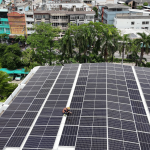
Commercial Solar in Sri Lanka: A Complete Guide for Businesses
November 1, 2026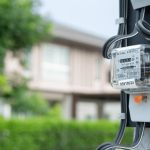
Smart Energy Metering: How Businesses Can Monitor and Control Electricity Consumption
November 2, 2026Electricity is essential for modern businesses. From manufacturing plants and hotels to warehouses, hospitals and commercial buildings, reliable energy is necessary to maintain daily operations.
However, managing electricity consumption, controlling energy expenses and maintaining power availability can be challenging for businesses with significant energy requirements.
This is where Battery Energy Storage Systems (BESS) become increasingly important.
A Battery Energy Storage System allows businesses to store electrical energy and use it when required. When integrated with solar photovoltaic (PV) systems, battery storage can help organisations manage energy consumption, utilise excess solar generation, support selected loads during power interruptions and improve overall energy flexibility.
For commercial and industrial facilities, BESS can also support strategies such as peak shaving, load management and energy cost optimisation.
But what exactly is a BESS, how does it work, and is it a suitable investment for businesses in Sri Lanka?
In this guide, we explain the technology, its applications, benefits, limitations and important considerations when selecting a commercial or industrial battery energy storage solution.
1. What Is a Battery Energy Storage System (BESS)?
A Battery Energy Storage System (BESS) is a technology that stores electrical energy in rechargeable batteries and makes that energy available for use at a later time.
Instead of consuming all generated electricity immediately, a business can store available energy and discharge it when electricity is needed.
A typical BESS includes several integrated components:
- Battery modules: Store electrical energy through electrochemical processes.
- Battery Management System (BMS): Monitors battery conditions and helps manage safe operating limits.
- Power Conversion System (PCS): Converts electricity between AC and DC, depending on the system architecture.
- Energy Management System (EMS): Controls and coordinates energy flows according to operating requirements.
- Thermal management: Helps maintain appropriate battery operating temperatures.
- Protection systems: Provide electrical and operational protection.
- Monitoring and communication systems: Allow operators to monitor system performance and operating conditions.
BESS technology is used in residential, commercial, industrial and utility-scale energy applications.
For businesses, the system capacity and configuration should be selected according to electricity consumption patterns, operational requirements, financial objectives and the intended use of stored energy.
2. How Does a Battery Energy Storage System Work?
A BESS works by charging its batteries when electrical energy is available and discharging the stored energy when required.
The charging source may include:
- Solar PV electricity.
- Electricity supplied by the national grid.
- Other compatible energy generation sources.
The stored electricity can then be used to support business operations, depending on the system design and control settings.
Step 1: Charging the battery
Electrical energy enters the battery system from an approved source.
For example, a factory with a commercial rooftop solar installation may generate more electricity than it immediately consumes during certain periods.
A suitably configured BESS can use some of this available energy to charge its batteries.
Step 2: Storing electrical energy
The battery stores the incoming energy through electrochemical reactions.
The Battery Management System monitors important operating parameters, including voltage, current and temperature, to help maintain safe operating conditions.
Step 3: Managing stored energy
The Energy Management System determines how and when stored electricity should be used, according to configured operating strategies.
For example, the system may be programmed to:
- Store excess solar generation.
- Discharge during selected high-demand periods.
- Maintain a reserve for backup applications.
- Follow predefined charging and discharging schedules.
Step 4: Discharging electricity
When the business requires stored energy, the system discharges the battery through its power conversion equipment.
The electricity can then supply compatible electrical loads or support the wider energy system.
The exact operation depends on the BESS architecture, inverter technology, control strategy and electrical installation.
A professionally designed system coordinates these components to achieve the intended energy management objectives.
3. What Are the Main Components of a BESS?
Understanding the main components of a Battery Energy Storage System helps businesses evaluate different technologies and system configurations.
Battery modules
Battery modules are the primary energy storage components. They contain individual battery cells arranged into larger units to achieve the required voltage and capacity.
Lithium-ion batteries are widely used in modern commercial and industrial BESS applications because of their energy density, efficiency and operational characteristics.
Lithium iron phosphate (LFP) is one commonly used lithium-ion battery chemistry.
Battery Management System (BMS)
The BMS monitors and manages battery operation.
Its responsibilities generally include:
- Monitoring individual cell voltages.
- Monitoring battery temperature.
- Managing charging and discharging limits.
- Supporting cell balancing.
- Identifying abnormal operating conditions.
- Communicating with other system controllers.
The BMS plays an important role in battery protection and operational reliability.
Power Conversion System (PCS)
The PCS manages the conversion of electrical energy between AC and DC.
During charging, it converts electricity into the form required by the battery. During discharge, it converts stored DC energy into AC electricity when required by connected loads.
Some integrated systems combine inverter and battery functions within a single architecture.
Energy Management System (EMS)
The EMS coordinates the operation of the BESS and other connected energy sources.
It can help determine when to charge, when to discharge and how stored electricity should be allocated.
For commercial facilities, this is particularly important because energy consumption can vary throughout the day.
Thermal management and safety systems
Battery performance and operating life are influenced by temperature and operating conditions.
Thermal management systems help maintain suitable operating temperatures, while protection and safety systems help manage electrical, thermal and operational risks.
These systems are essential considerations when evaluating commercial and industrial battery storage installations.
4. What Are the Different Types of Battery Energy Storage Systems?
Battery Energy Storage Systems can be classified according to their battery chemistry, system architecture and intended application.
Lithium-ion Battery Storage
Lithium-ion batteries are among the most widely adopted technologies for modern commercial and industrial energy storage.
They offer several advantages, including:
- High energy density.
- Good charging and discharging efficiency.
- Relatively compact installation requirements.
- Suitable performance for frequent cycling.
- Flexible system configurations.
Lithium Iron Phosphate (LFP) Batteries
LFP is a lithium-ion battery chemistry increasingly used in stationary energy storage applications.
Its characteristics include:
- Good thermal stability compared with several other lithium-ion chemistries.
- Long cycle-life potential under suitable operating conditions.
- Good suitability for stationary energy storage.
- Reduced dependence on nickel and cobalt compared with some alternative lithium-ion chemistries.
LFP batteries are an important option for commercial battery storage projects.
Lead-Acid Battery Storage
Lead-acid batteries are an established energy storage technology used in applications such as UPS systems and backup power installations.
However, they generally have lower energy density and shorter cycle-life potential than modern lithium-ion alternatives in many frequent-cycling applications.
Other Energy Storage Technologies
Depending on the project, other technologies such as flow batteries may also be considered for specific stationary energy storage requirements.
The most appropriate technology depends on the intended application, operating conditions, investment budget, required storage duration and lifecycle economics.
5. What Are the Main Applications of BESS for Businesses?
A Battery Energy Storage System can serve several purposes depending on the electricity consumption profile and operational requirements of a business.
Peak Shaving
Peak shaving involves reducing the amount of electricity a business draws from the grid during selected high-demand periods.
For example, a manufacturing facility may experience increased electricity demand when several production machines operate simultaneously.
A suitably configured battery storage system can discharge stored energy during these periods to reduce grid demand.
This may help manage electricity expenses where demand-related charges or applicable tariff structures make peak shaving financially beneficial.
Solar Energy Storage
Businesses with rooftop solar PV systems can integrate battery storage to make better use of available solar generation.
Instead of exporting all excess electricity to the grid, the system can store some of the surplus energy for later consumption.
This can be particularly useful for businesses with electricity requirements outside peak solar generation hours.
Backup Power During Electricity Interruptions
A BESS can provide backup electricity to selected business loads during grid interruptions when designed with appropriate backup functionality.
This can support important operations such as:
- IT infrastructure and server rooms.
- Security systems.
- Selected production equipment.
- Lighting and essential building services.
- Refrigeration and cold storage equipment.
The backup duration depends on battery capacity, connected load, inverter rating and available stored energy.
Load Shifting
Load shifting involves moving electricity consumption from one period to another.
A business can charge its battery during a selected period and use the stored electricity during another period, potentially taking advantage of differences in electricity tariffs.
Whether this provides financial benefits depends on the applicable tariff, charging costs, battery efficiency and operating strategy.
Renewable Energy Integration
Battery storage can help businesses integrate solar PV and other renewable energy sources into their overall electricity infrastructure.
This supports a more flexible approach to energy generation, storage and consumption.
6. What Is the Difference Between a Solar PV System and a BESS?
Solar PV systems and Battery Energy Storage Systems perform different but complementary functions.
A solar PV system generates electricity from sunlight, while a BESS stores electricity for later use.
| Feature | Solar PV system | Battery Energy Storage System |
|---|---|---|
| Main function | Generates electricity | Stores electricity |
| Energy source | Sunlight | Grid, solar or other compatible sources |
| Electricity storage | Not inherently provided | Yes |
| Backup capability | Usually not available with conventional grid-tied systems during outages | Possible with suitable system design |
| Peak shaving | Limited by generation availability | Can discharge strategically |
| Night-time energy | No solar generation | Can use previously stored energy |
When integrated, solar PV and BESS can create a more comprehensive energy solution.
For example, a commercial building may generate electricity during daylight hours, store excess generation in batteries and use the stored energy later when solar generation decreases.
However, the financial and technical suitability of this configuration must be evaluated for each project.
7. What Is the Difference Between Commercial and Industrial Battery Storage?
Although commercial and industrial BESS installations use similar underlying technologies, their system requirements can differ significantly.
Commercial battery storage
Commercial applications may include:
- Office buildings.
- Hotels.
- Shopping malls.
- Supermarkets.
- Commercial complexes.
- Healthcare facilities.
These systems may be designed to support energy cost management, solar integration and backup power for selected loads.
Industrial battery storage
Industrial applications may include:
- Manufacturing plants.
- Garment factories.
- Food processing facilities.
- Tea factories.
- Cold storage facilities.
- Large industrial warehouses.
Industrial BESS projects may require more detailed assessments because of high electrical loads, complex machinery, variable demand profiles and critical operational requirements.
| Consideration | Commercial BESS | Industrial BESS |
|---|---|---|
| Typical application | Buildings and commercial facilities | Factories and production facilities |
| Load profile | Building and business operations | Machinery and production loads |
| System design | Based on building demand | Based on industrial load characteristics |
| Backup requirements | Selected building loads | Selected critical production loads |
| Energy management | Building-level optimisation | Industrial load and process optimisation |
The appropriate system should be determined through technical and economic evaluation rather than simply classifying the customer as commercial or industrial.
8. How Can BESS Help Businesses Reduce Electricity Costs in Sri Lanka?
Electricity cost management is one of the key reasons businesses investigate battery storage solutions.
However, a BESS does not automatically reduce electricity expenses. Its financial benefits depend on how the system is operated and the electricity tariff applicable to the business.
Here are some ways a battery storage system may contribute to energy cost management.
1. Peak demand management
Batteries can discharge during selected high-demand periods to reduce grid electricity demand, potentially reducing demand-related charges where applicable.
2. Increased solar self-consumption
Businesses can store excess solar generation and use it later instead of relying entirely on grid electricity.
3. Time-based energy management
Where time-of-use tariffs apply, battery charging and discharging can be scheduled to make use of tariff differences.
4. Improved energy planning
Energy monitoring and management systems can help businesses understand consumption patterns and identify opportunities for optimisation.
5. Reduced operational disruption
Where backup functionality is properly designed, battery storage can support selected operations during electricity interruptions and potentially reduce associated business disruption costs.
For a commercial or industrial facility in Sri Lanka, the financial feasibility of BESS should consider:
- Existing electricity tariff structure.
- Historical electricity consumption.
- Maximum demand patterns.
- Solar generation profile.
- Battery charging and discharging efficiency.
- Battery degradation.
- Initial capital investment.
- Maintenance and replacement costs.
- Expected operating life.
A techno-economic feasibility assessment is essential to determine whether the expected benefits justify the investment.
9. What Is the Difference Between Battery Capacity and Power Rating?
Battery capacity and power rating are two important specifications when selecting a BESS.
They describe different aspects of system performance.
Battery capacity (kWh) indicates how much electrical energy a battery can store.
Power rating (kW) indicates how much electrical power the system can deliver or absorb at a given moment.
For example, consider a hypothetical battery system with:
- Energy capacity: 200 kWh.
- Power rating: 100 kW.
At a continuous discharge rate of 100 kW, the theoretical discharge duration would be approximately two hours.
However, actual usable energy and operating duration depend on factors such as:
- Permitted depth of discharge.
- Conversion efficiency.
- Battery operating limits.
- Temperature.
- System losses.
- Connected load.
This distinction is important because businesses need to consider both how much energy they require and how quickly they need that energy delivered.
A system with sufficient capacity may still be unsuitable if its power rating cannot support the required electrical loads.
10. How to Choose the Right Battery Energy Storage System for Your Business
Selecting a suitable BESS requires more than comparing battery prices or advertised capacities.
Businesses should evaluate the following factors before investing.
1. Understand your electricity consumption
Review electricity bills, load profiles and operating schedules to understand when and how electricity is consumed.
2. Define the purpose of the battery
Determine whether the main objective is peak shaving, solar energy storage, backup power, load shifting or a combination of applications.
3. Determine the required battery capacity
Calculate the amount of usable energy required based on the intended operating strategy.
4. Evaluate the power requirements
Assess the maximum power required by the connected loads, including relevant starting and transient requirements.
5. Review battery chemistry
Compare battery technologies based on safety, performance, cycle life, operating conditions and lifecycle costs.
6. Evaluate system compatibility
Check whether the proposed battery, inverter, solar PV installation and energy management system can operate together effectively.
7. Consider safety and thermal management
Review battery protection, thermal management, fire safety provisions, ventilation and applicable installation standards.
8. Evaluate the financial feasibility
Compare the initial investment against realistic energy savings and operational benefits.
9. Review warranties and after-sales support
Understand product warranties, performance guarantees, service availability and replacement provisions.
10. Work with experienced technical professionals
Commercial and industrial BESS projects require appropriate engineering, electrical assessments and system integration expertise.
11. What Is Sigenergy and Why Is It Relevant to Battery Energy Storage?
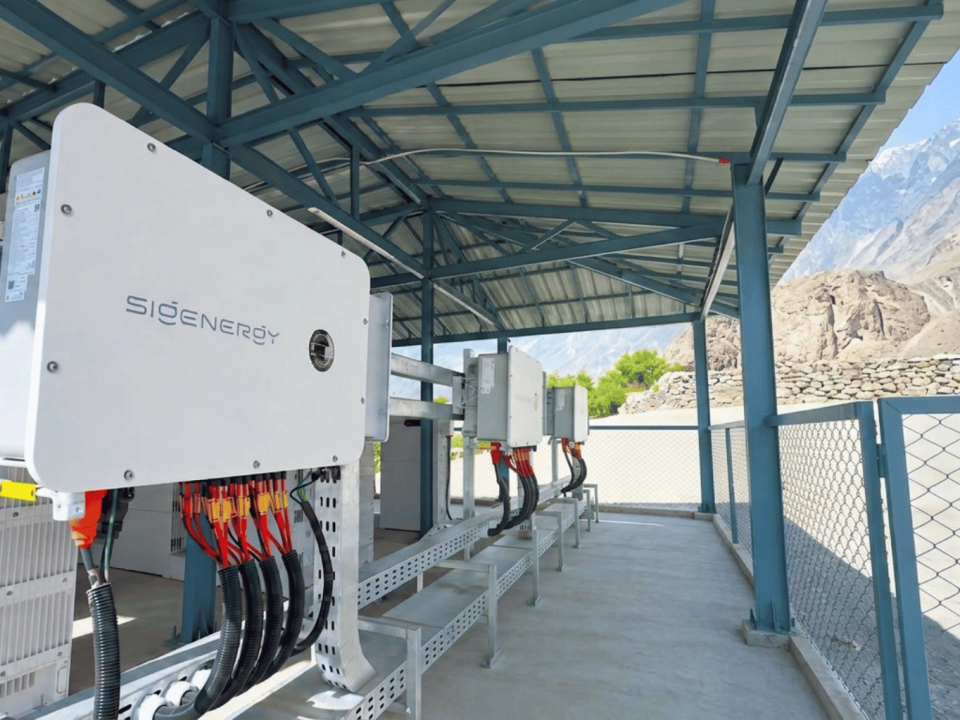
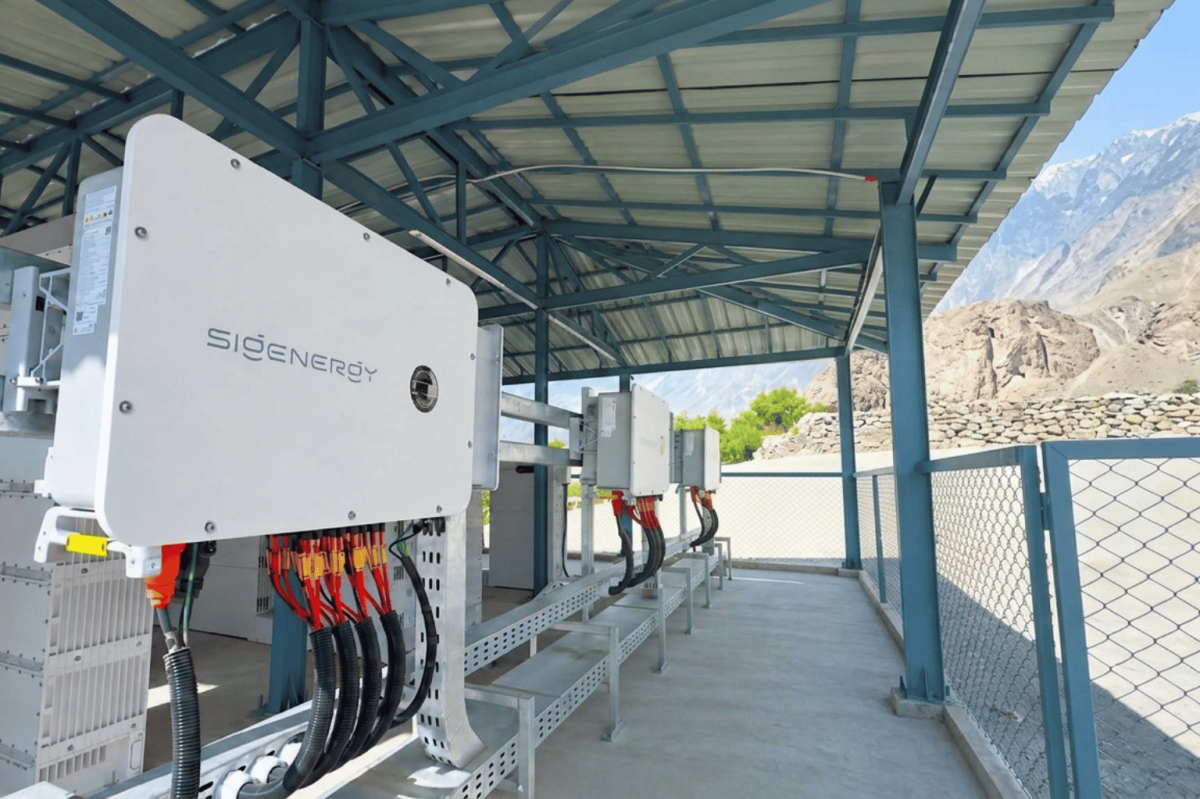
Sigenergy develops integrated energy storage and solar energy technologies, including battery storage, power conversion and energy management solutions.
For businesses exploring modern hybrid solar and battery energy storage systems, integrated solutions can provide a coordinated approach to energy generation, storage and consumption.
Penta Prime (Pvt) Ltd is the Official Installer for Sigenergy BESS Solutions in Sri Lanka.
This provides businesses with an opportunity to explore Sigenergy battery storage solutions through Penta Prime’s energy consultancy and technical expertise.
When evaluating a Sigenergy installation or another BESS technology, businesses should consider:
- Required battery storage capacity.
- Power conversion requirements.
- Compatibility with existing solar PV systems.
- Backup power requirements.
- Energy management capabilities.
- Installation environment.
- System scalability.
- Warranty and technical support.
The appropriate configuration should be selected based on the actual requirements of the facility.
12. Is Battery Energy Storage Worth the Investment for Businesses in Sri Lanka?
Whether a BESS is a worthwhile investment depends on the business’s energy requirements, electricity tariff structure and intended use of stored energy.
For some businesses, battery storage may provide value through peak shaving and solar energy optimisation. For others, backup power and operational continuity may be the primary objectives.
Before investing, businesses should evaluate:
- Initial system investment.
- Expected energy cost savings.
- Battery efficiency and degradation.
- Potential demand charge reductions.
- Solar energy utilisation.
- Backup power requirements.
- Maintenance and replacement expenses.
- Expected system operating life.
- Overall return on investment.
A financial feasibility assessment should use realistic operating assumptions rather than relying exclusively on manufacturer performance specifications or estimated savings presented in sales proposals.
For larger projects, independent technical due diligence can also help investors and asset owners assess system design, performance assumptions and project risks.
13. Why Choose Penta Prime for BESS Solutions in Sri Lanka?
Penta Prime (Pvt) Ltd is a specialised energy consultancy providing independent technical and strategic advisory services in renewable energy, Solar PV, Battery Energy Storage Systems (BESS) and Energy Management Systems.
We support businesses, investors, developers and asset owners in identifying, evaluating and optimising energy solutions based on their technical and commercial requirements.
Our areas of expertise include:
- Battery Energy Storage Systems.
- Sigenergy BESS solutions.
- Commercial and industrial energy storage.
- Solar PV and battery integration.
- Techno-economic feasibility assessments.
- Technical due diligence.
- Energy system optimisation.
- Energy audits.
- ISO 50001:2018 consultancy.
- Energy management systems.
- Renewable energy project advisory.
As the Official Installer for Sigenergy BESS Solutions in Sri Lanka, Penta Prime helps businesses explore modern battery energy storage technologies and their potential applications.
Whether you are considering battery storage for a factory, hotel, warehouse, office building or manufacturing facility, understanding your energy requirements is the first step towards selecting the right solution.
Explore battery energy storage opportunities with Penta Prime.
Contact our team to discuss your commercial or industrial energy requirements and explore suitable BESS solutions.
14. Frequently Asked Questions About Battery Energy Storage Systems (BESS)
1. What does BESS stand for?
BESS stands for Battery Energy Storage System. It is a technology that stores electrical energy in rechargeable batteries and supplies that energy when required.
2. How does a battery energy storage system work?
A BESS charges its batteries using electricity from sources such as solar PV systems or the electricity grid. The stored energy is then converted into usable electricity and supplied to connected loads when needed.
3. What is the main purpose of a BESS?
The main purpose of a BESS is to store electrical energy for later use. Businesses can use battery storage for solar energy utilisation, peak shaving, load shifting, backup power and energy management.
4. What is the difference between BESS and UPS?
A UPS (Uninterruptible Power Supply) is primarily designed to provide backup electricity to connected equipment during power interruptions, often with very fast transfer characteristics.
A BESS is a broader energy storage solution that can support applications such as peak shaving, solar integration, load shifting and backup power. A BESS can also be designed to provide UPS-like backup functionality when the necessary equipment and architecture are included.
5. What is the best battery technology for commercial energy storage?
Lithium-ion technologies, particularly LFP batteries, are widely used for commercial energy storage. However, the most suitable technology depends on the application’s power and energy requirements, safety considerations, lifecycle costs and operating conditions.
6. Can a BESS work without solar panels?
Yes. A BESS can charge using electricity from the national grid or other compatible energy sources. Solar panels are not essential for a battery energy storage system to operate.
7. Can a BESS provide electricity during power cuts?
Yes, if the system is specifically designed with suitable backup functionality, grid isolation and compatible power conversion equipment. The backup duration depends on available battery capacity and connected electrical loads.
8. What is peak shaving in battery storage?
Peak shaving is a strategy that uses stored battery energy to reduce electricity demand from the grid during selected high-demand periods. It can help businesses manage demand-related electricity expenses where applicable.
9. How long does a commercial battery storage system last?
The operating life depends on battery chemistry, usage patterns, temperature, charging and discharging conditions, depth of discharge and maintenance. Businesses should evaluate the manufacturer’s warranty and expected performance over the system’s operating life.
10. Can BESS be integrated with an existing commercial solar system?
Yes. Battery storage can be integrated with existing solar PV systems, subject to inverter compatibility, electrical infrastructure, system architecture and applicable technical requirements.
11. What is the difference between kW and kWh in battery storage?
kW measures the power a battery system can deliver at a given moment, while kWh measures the amount of energy it can store. Both are important when selecting a suitable system.
12. Is Sigenergy available in Sri Lanka?
Penta Prime (Pvt) Ltd is the Official Installer for Sigenergy BESS Solutions in Sri Lanka. Businesses can contact Penta Prime to explore available solutions and project requirements.
Conclusion
Battery Energy Storage Systems are becoming an important part of modern energy management strategies for commercial and industrial businesses.
By storing electricity and making it available when required, BESS technology can support solar energy utilisation, peak shaving, backup power and improved energy flexibility.
For Sri Lankan businesses, the right battery storage solution can contribute towards better energy management and more informed electricity investment decisions.
However, selecting the appropriate system requires careful consideration of energy consumption, power requirements, battery capacity, system compatibility and financial feasibility.
Penta Prime provides specialist energy consultancy and BESS advisory services in Sri Lanka, helping businesses explore suitable battery storage and integrated renewable energy solutions.